Introduction to Steel Grating
Welcome to the most comprehensive resource on steel grating — an essential industrial product used across countless construction, manufacturing, and infrastructure projects worldwide. Whether you are a procurement manager sourcing grating steel for a petrochemical plant or a civil engineer specifying walkway surfaces for a water treatment facility, understanding the full spectrum of bar grating options is critical to project success.
This guide covers every major type of steel gratings, including welded, press locked, serrated, heavy duty, stainless steel, and galvanized steel grating. You will learn about manufacturing processes, material properties, load ratings, application-specific recommendations, and best practices for maintenance. By the end, you will have the knowledge needed to confidently select and procure the right steel grating for your next project.

What Is Steel Grating?
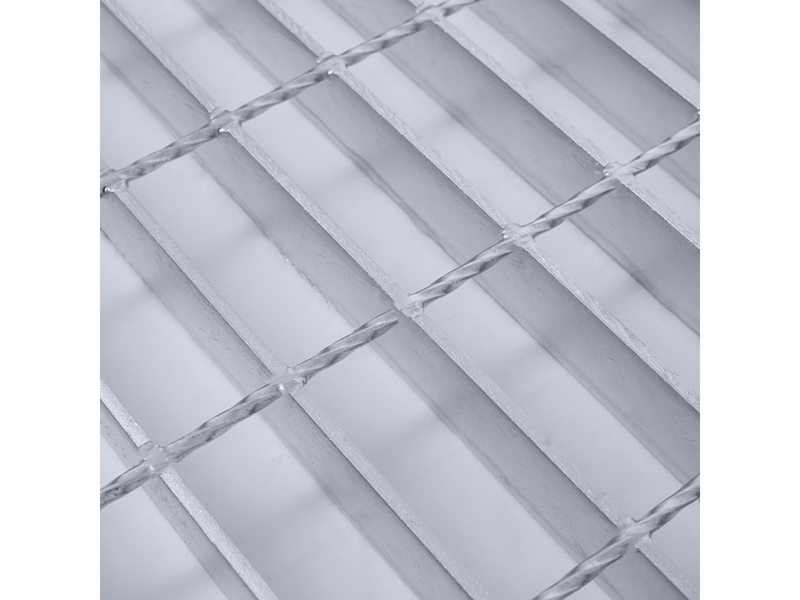
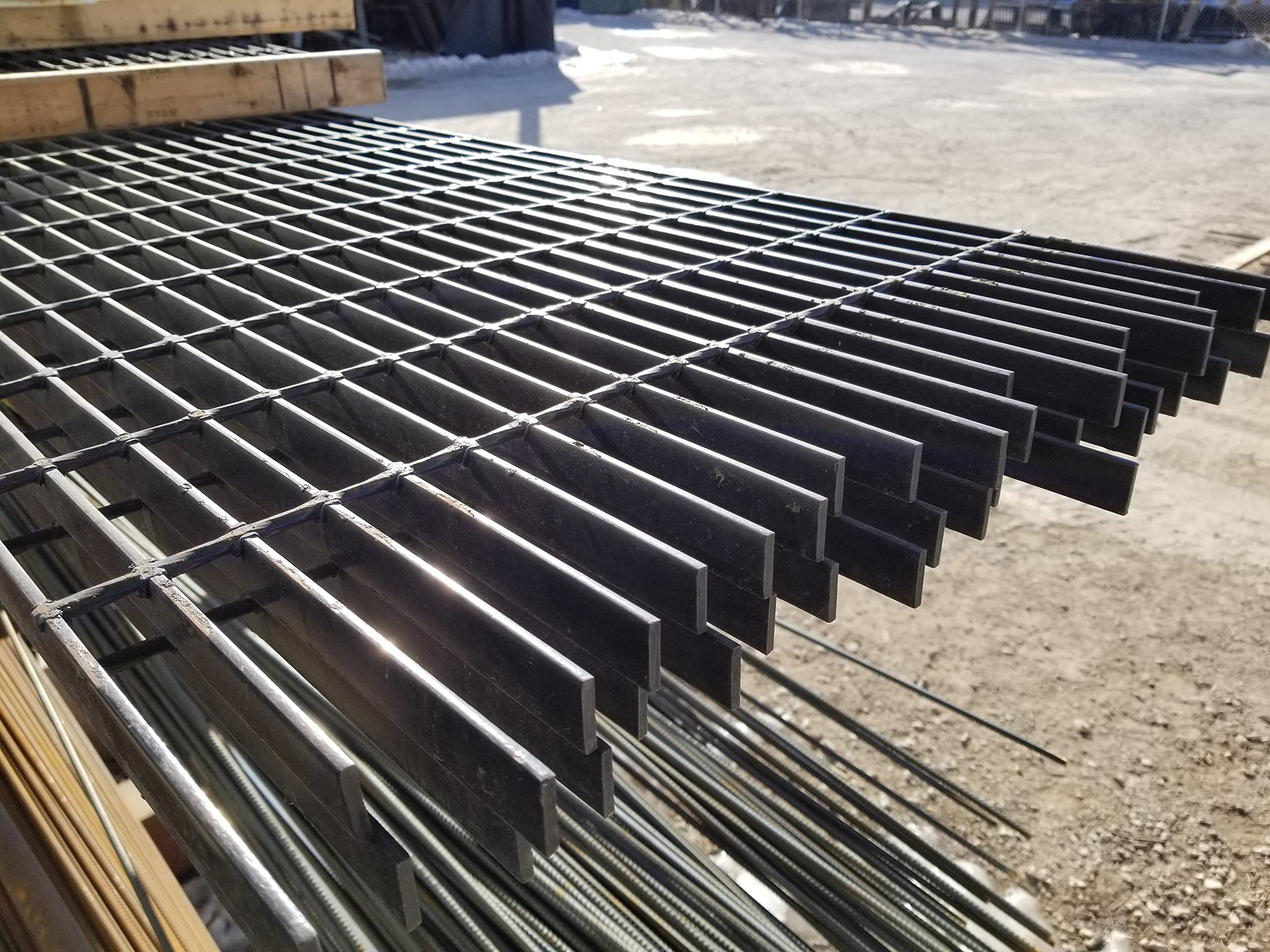
Steel grating is a fabricated metal product consisting of a series of parallel bearing bars spaced at regular intervals, with cross bars or transverse rods running perpendicular to create an open-grid panel. The open area between bars allows light, air, water, and debris to pass through while providing a robust walking or load-bearing surface.
Grating is distinguished from solid plate flooring by its unique combination of strength and permeability. The bearing bars carry the structural load, while the cross members provide lateral stability and maintain bar spacing. Depending on the manufacturing method, steel gratings can be produced as welded, press-locked, or riveted assemblies, each offering distinct performance characteristics for specific applications.
Common terms you will encounter include steel bar grating (referring to the standard welded product), heavy duty steel grating (designed for extreme loads), and serrated steel grating (featuring a toothed surface for enhanced slip resistance). The selection of the right grating type depends on load requirements, environmental conditions, and safety standards.
Types of Industrial Grating
Industrial grating comes in several distinct types, each engineered for specific load conditions, environmental exposures, and safety requirements. The following sections detail the most common configurations available in the global market. Understanding the differences between these types of industrial grating is the first step toward making an informed purchasing decision.

Welded Steel Bar Grating
Welded steel bar grating is the most widely used type of steel grating globally. It is manufactured by resistance-welding cross bars to each bearing bar at every intersection, creating a permanently fused joint that delivers exceptional strength and rigidity.
| Parameter | Typical Range |
|---|---|
| Bearing Bar Depth | 25 mm – 150 mm (1" – 6") |
| Bearing Bar Thickness | 3 mm – 12 mm (1/8" – 1/2") |
| Bar Spacing (Center-to-Center) | 30 mm – 100 mm |
| Cross Bar Spacing | 50 mm – 100 mm |
| Panel Sizes | Up to 6 m × 1.5 m (custom sizes available) |
Welded grating is ideal for industrial flooring, walkways, platforms, and mezzanines where high load capacity and long service life are required. It is available in carbon steel, stainless steel, and galvanized finishes. The welding process ensures that the cross bars will not loosen under vibration, making this type suitable for heavy-traffic areas and machinery platforms.
Press Locked Grating
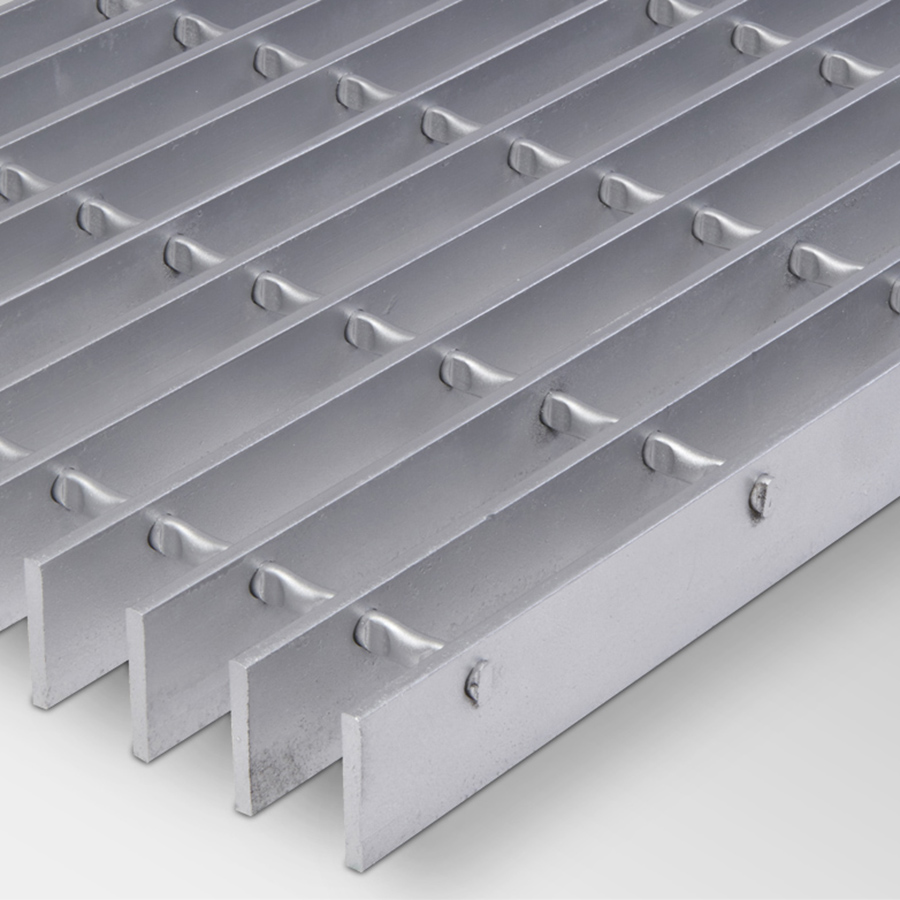
Press locked grating is manufactured using a mechanical process that forces cross bars into precision-punched slots on the bearing bars under extreme hydraulic pressure. Unlike welded grating, no heat or filler material is used, which makes press locked grating ideal for applications where maintaining the material integrity is critical.
Key features of press locked grating:
- No welding required — eliminates heat-affected zones and maintains corrosion resistance
- Smooth, flat surface suitable for light-duty walkways and decorative applications
- Available in stainless steel, aluminum, and galvanized steel
- Commonly used in architectural facades, sunscreens, mezzanine flooring, and light industrial walkways
- Bearing bar depths typically range from 20 mm to 50 mm
Press locked grating is often chosen for applications that demand a clean, aesthetically pleasing appearance combined with adequate structural performance. It meets ASTM standards for light and medium-duty applications.
Serrated Steel Grating
Serrated steel grating features a uniquely designed bearing bar with V-shaped notches or serrations along the top surface. This toothed profile provides exceptional slip resistance, making it the preferred choice for environments where oil, water, grease, or ice may create hazardous walking conditions.
Typical specifications for serrated grating:
- Serrations are cut at 5–6 mm intervals along the bearing bar top surface
- Available in welded or press locked configurations
- Bearing bar depths: 25 mm to 75 mm standard
- Slip resistance meets or exceeds OSHA and international safety standards
- Can be manufactured in carbon steel, stainless steel, or galvanized finishes
Common applications include offshore oil platforms, refinery walkways, food processing plants, marine environments, and any area where wet or slippery conditions are a concern. The serrated surface provides up to 50% better slip resistance compared to standard smooth-bar grating, significantly reducing workplace accident risk.

Heavy Duty Steel Grating
Heavy duty steel grating is engineered to withstand extreme loads and harsh operating conditions. It features thicker bearing bars (typically 6 mm to 12 mm) and deeper profiles (up to 150 mm) compared to standard grating, with closer bar spacing to distribute weight more effectively.
| Grade | Bar Size | Max Clear Span | Load Capacity (UDL) |
|---|---|---|---|
| HD-1 | 6 mm × 75 mm | 1200 mm | 8.5 kN/m² |
| HD-2 | 8 mm × 100 mm | 1500 mm | 12.0 kN/m² |
| HD-3 | 10 mm × 120 mm | 1800 mm | 16.5 kN/m² |
| HD-4 | 12 mm × 150 mm | 2400 mm | 22.0 kN/m² |
This type of grating is commonly specified for heavy vehicle access ways, crane runways, mining platforms, steel mill floors, and heavy equipment maintenance areas. It is typically hot-dip galvanized after fabrication for maximum corrosion protection in demanding outdoor or industrial environments.
Stainless Steel Grating
Stainless steel grating is manufactured from corrosion-resistant stainless steel alloys, most commonly grades 304 and 316L. It combines the structural strength of steel grating with superior resistance to chemical attack, moisture, and extreme temperatures.
Stainless steel vs carbon steel grating:
- Grade 304 stainless steel grating: suitable for food processing, pharmaceutical, and general chemical environments
- Grade 316L stainless steel grating: preferred for marine, offshore, and highly corrosive chemical applications due to molybdenum content
- Higher initial cost but significantly longer service life in corrosive environments
- No protective coating required — corrosion resistance is inherent in the alloy
- Available in welded, press locked, and swage-locked configurations
Stainless steel grating is widely used in food and beverage plants, pharmaceutical facilities, seawater desalination plants, chemical processing units, and hygienic environments where easy cleaning and corrosion resistance are paramount.

Galvanized Steel Grating
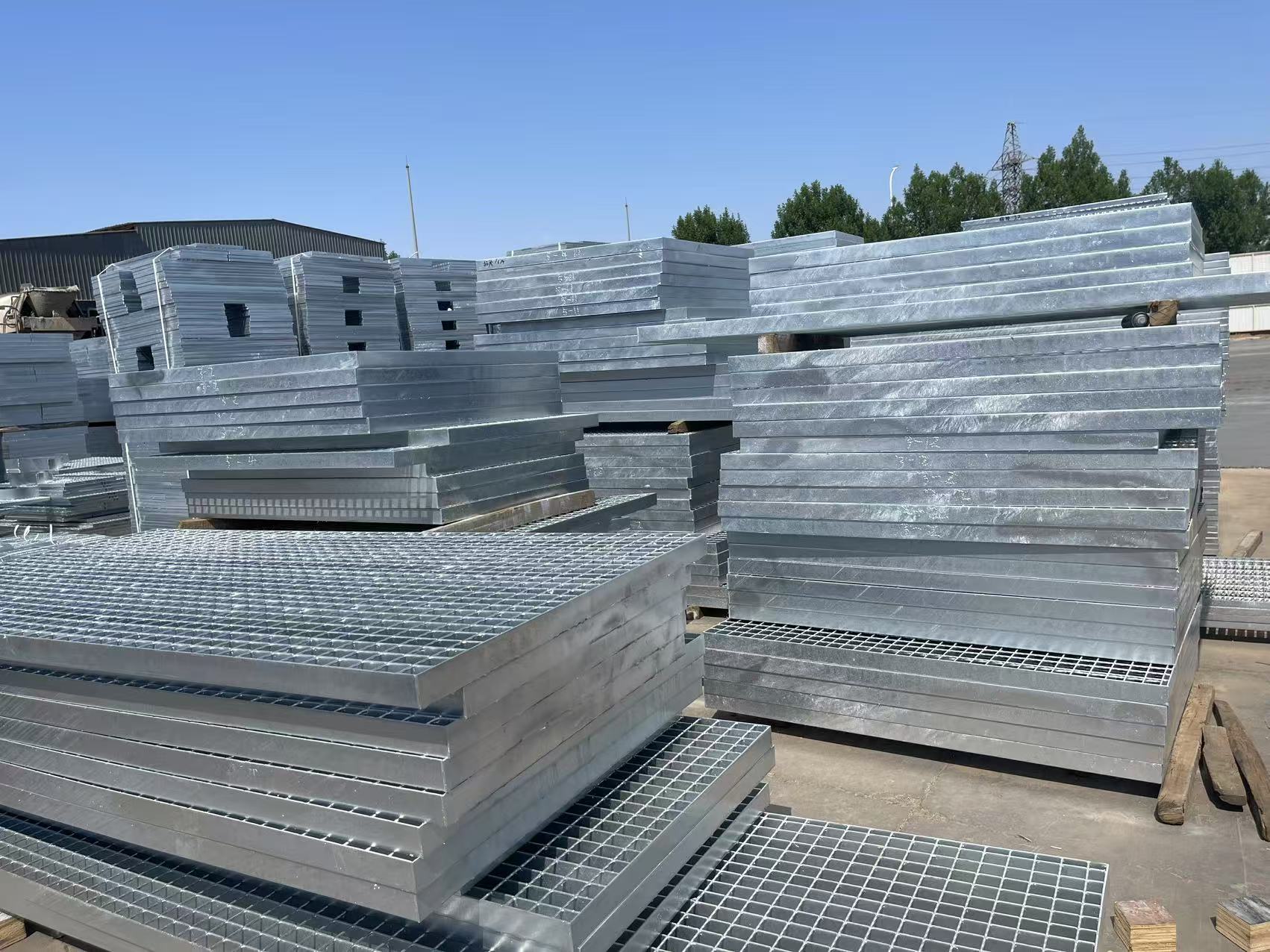
Galvanized steel grating is carbon steel grating that has been hot-dip galvanized after fabrication to provide a robust zinc coating for corrosion protection. The galvanizing process involves immersing the fabricated grating in a bath of molten zinc at approximately 450°C, creating a metallurgically bonded zinc-iron alloy layer.
Advantages of galvanized steel grating:
- Excellent corrosion resistance at a moderate cost
- Zinc coating thickness typically 85–120 microns per ASTM A123
- Self-healing properties — zinc corrosion products seal small scratches
- Service life of 30–50+ years in most atmospheric conditions
- Compatible with welded, press locked, and heavy duty configurations
Galvanized grating is the most commonly specified type for outdoor industrial applications, including power plants, refineries, water treatment facilities, bridges, and public infrastructure. It offers the best balance of cost, strength, and durability for the majority of construction and industrial projects.
Materials Used in Grating
Steel grating is available in a wide range of materials, each selected to match the specific environmental and mechanical demands of the application. The choice of material directly affects the grating strength, corrosion resistance, weight, cost, and service life. Below we examine the three most common material categories used in industrial grating steel manufacturing.
Carbon Steel
Carbon steel (also known as mild steel) is the most common and cost-effective material for steel grating. Standard grades include ASTM A36 and ASTM 1011 CS Type B. Carbon steel grating offers excellent strength-to-weight ratio and weldability, making it suitable for most indoor and outdoor industrial applications.
Carbon steel grating specifications:
- Yield strength: 250 MPa (36 ksi) minimum for A36
- Tensile strength: 400–550 MPa
- Weldable by standard resistance and arc welding processes
- Must be protected with paint or galvanizing for outdoor use
- Typical applications: factory floors, platforms, walkways, drainage covers
Stainless Steel
Stainless steel grating is manufactured from corrosion-resistant alloys, primarily grades 304/L and 316/L. The chromium content (18–20% in 304, 16–18% in 316) forms a passive oxide layer that protects against rust and chemical attack.
Stainless steel material grades:
- SS304: excellent general corrosion resistance, suitable for food processing, pharmaceutical, and indoor architectural applications
- SS316L: superior resistance to chlorides and acids due to 2–3% molybdenum content; ideal for marine, offshore, and chemical processing environments
- Duplex stainless steels (e.g., 2205): for extreme corrosion environments with higher strength than 300-series alloys
- No protective coating needed; passive oxide layer self-repairs
Galvanized Steel
Galvanized steel refers to carbon steel that has been coated with a protective zinc layer through the hot-dip galvanizing process. The zinc coating provides sacrificial protection — if scratched or nicked, the surrounding zinc corrodes preferentially, protecting the underlying steel.
Galvanized steel grating properties:
- Coating weight: 610 g/m² minimum (ASTM A123)
- Coating thickness: 85 μm average per face
- Temperature range: -29°C to 204°C continuous exposure
- Excellent for outdoor and high-humidity environments
- Most cost-effective corrosion protection for outdoor steel grating
- Service life exceeds 30 years in typical industrial atmospheres
How Is Grating Manufactured?
The manufacturing process for steel grating varies by type, but all methods share a common goal: creating a rigid, uniform grid structure capable of supporting design loads while maintaining an open area for drainage and ventilation.
Welded grating manufacturing process:
- Material preparation: Steel coils or sheets are slit into precise-width bearing bars and cross bars
- Bar straightening: Bearing bars are mechanically straightened to ensure uniform alignment
- Resistance welding: Cross bars are fed perpendicular to bearing bars and fused using high-current electrical resistance welding — no filler metal is added
- Cutting and trimming: Panels are cut to specified dimensions, with end bands added where required for structural integrity
- Surface finishing: Grating is hot-dip galvanized, painted, or left in mill finish depending on customer specifications
- Quality inspection: Each panel is inspected for weld integrity, dimensional accuracy, and load-bearing capacity per ASTM or equivalent standards
Press locked manufacturing uses a mechanical punch-and-die process to insert cross bars into bearing bar slots under hydraulic pressure (typically 50–200 tons). No heat or welding is involved, making this method suitable for stainless steel and aluminum grating where heat-affected zones must be avoided.
Quality control is a critical part of grating manufacturing. Reputable manufacturers conduct destructive and non-destructive testing to verify weld shear strength, material hardness, and dimensional tolerances. International standards such as ASTM A1011 (carbon steel), ASTM A240 (stainless steel), and ISO 14122 (safety of machinery) govern the production and testing of industrial grating.
Load Ratings for Different Types of Grating
Understanding load ratings for different types of grating is essential for ensuring safety and compliance with building codes. Load capacity is determined primarily by bearing bar depth, thickness, spacing, and material grade.
Load rating classifications (per ANSI/NAAMM MBG 531):
| Classification | Typical Use | Uniform Load | Concentrated Load |
|---|---|---|---|
| Light Duty | Pedestrian walkways, light maintenance platforms | 2.5 – 4.0 kN/m² | 1.5 kN |
| Medium Duty | Industrial flooring, mezzanines, catwalks | 4.0 – 8.0 kN/m² | 3.0 kN |
| Heavy Duty | Vehicle access, crane runways, truck ramps | 8.0 – 16.0 kN/m² | 6.0 kN |
| Extra Heavy Duty | Mining, steel mills, heavy equipment areas | 16.0 – 25.0 kN/m² | 10.0+ kN |
The load rating is calculated based on the section modulus of the bearing bars multiplied by the allowable stress of the material. For example, a welded grating panel with 40×5 mm bearing bars at 30 mm spacing can typically support 5.0 kN/m² over a 1000 mm span.
Always consult load tables provided by the manufacturer and factor in a safety coefficient according to local building regulations. Professional structural engineering review is recommended for critical load-bearing applications.
What Is Grating Used For in Construction?
Steel grating plays a vital role in modern construction and industrial infrastructure. Its unique combination of strength, lightweight, open area, and ease of installation makes it the material of choice for a diverse range of applications.

Industrial Flooring and Walkways
Industrial flooring and walkways represent the largest application segment for steel grating. Grating floors provide a durable, slip-resistant walking surface that allows water, oil, and debris to fall through rather than accumulate on the surface, reducing cleaning requirements and improving workplace safety.
In factories, power plants, refineries, and warehouses, steel grating walkways are elevated above equipment and piping runs to provide safe access for operators and maintenance personnel. The open design reduces wind loading on elevated structures and allows natural light to reach lower levels, contributing to energy savings and improved working conditions.
Standard walkway grating typically uses 30×3 mm or 40×5 mm bearing bars with 30–40 mm center spacing. Serrated grating is strongly recommended for walkways in wet or oily environments to maximize slip resistance.
Industrial Platforms
Steel grating platforms are essential in industrial facilities for equipment access, storage mezzanines, and observation decks. The open design of grating allows light and air to pass through while providing a durable, slip-resistant walking surface.
Grating platforms are favored in refineries, power plants, and manufacturing facilities where strength, durability, and drainage are critical. Available in welded or press-locked constructions, these platforms can be custom-fabricated to fit any layout.
Drainage Covers and Trenches
Drainage covers and trench grating represent another major application area. Steel grating is used extensively for surface water drainage, sewer channels, and industrial trench covers where the grating must support pedestrian or vehicular traffic while allowing unrestricted water flow.
Heel-safe and pedestrian-friendly grating patterns are available for public areas such as city streets, parks, and commercial developments. For vehicular applications, heavy duty grating with deeper bearing bars and closer spacing is specified to withstand traffic loads without deflection.
Drainage grating is typically hot-dip galvanized for corrosion resistance and may include hinge systems for easy access to underground services. Slot widths are designed to prevent debris entry while maintaining adequate hydraulic capacity.
How to Choose the Right Grating for Your Project
Selecting the right steel grating for your project requires careful evaluation of several key factors. Use the following decision framework to ensure you choose the most suitable product.
Step-by-step selection guide:
- Determine the load requirement: Calculate the maximum uniform and concentrated loads the grating must support. Consider dead loads, live loads, impact factors, and any safety margins required by local codes.
- Identify the environment: Assess exposure to moisture, chemicals, temperature extremes, and UV radiation. Indoor dry environments may only require carbon steel, while outdoor, marine, or chemical environments demand galvanized or stainless steel grating.
- Evaluate safety requirements: If the surface will be exposed to water, oil, or grease, specify serrated steel grating for slip resistance. For elevated walkways, check compliance with OSHA or local fall protection standards.
- Consider span and support spacing: Measure the clear span between structural supports. Choose bearing bar depth and thickness that provide adequate load capacity without excessive deflection (typically span/200 maximum deflection).
- Select grating type: Based on the above factors, choose from welded (best for general/heavy duty), press locked (clean appearance, light-medium duty), or heavy duty (extreme loads) configurations.
- Specify material and finish: Choose carbon steel for cost-effectiveness, galvanized steel for outdoor corrosion protection, or stainless steel for maximum corrosion resistance in aggressive environments.
- Verify compliance: Ensure the selected grating meets applicable ASTM, ANSI/NAAMM, ISO, or local standards. Request load test certificates from the manufacturer.
How to Maintain and Clean Metal Grating
Proper maintenance of metal grating extends its service life and preserves its safety performance. The maintenance approach depends on the grating material, coating system, and the environment in which it is installed.
Routine maintenance guidelines:
- Cleaning: Remove debris, dirt, and chemical residues regularly using water jets, steam cleaning, or vacuum systems. Avoid abrasive cleaning methods that may damage protective coatings.
- Inspection schedule: Conduct visual inspections quarterly for general applications, monthly for heavy-use or corrosive environments. Look for bent or broken bars, loose cross members, corrosion pitting, and coating failures.
- Coating maintenance: For galvanized grating, touch up damaged areas with zinc-rich paint. For painted grating, reapply according to the coating manufacturer specifications. Stainless steel grating typically requires no coating maintenance but should be cleaned to prevent surface staining.
- Structural integrity: Check for deflection, vibration, or noise under load — these may indicate overload or structural issues. Verify that support framing remains sound and that grating is securely fastened.
- Replacement criteria: Replace grating panels if more than 10% of bearing bars are damaged, if corrosion has reduced bar cross-section by more than 20%, or if the grating fails to meet its original load rating.
In food processing and pharmaceutical applications, grating should be cleaned and sanitized according to industry hygiene standards (e.g., USDA, FDA, or EHEDG guidelines). Stainless steel grating is preferred in these environments due to its cleanability and corrosion resistance.
Conclusion
This guide has covered the complete landscape of steel grating — from the fundamental characteristics of bar grating and grating steel materials, through the specific types including welded steel bar grating, press locked grating, serrated steel grating, heavy duty steel grating, stainless steel grating, and galvanized steel grating, to the practical aspects of selection, installation, and maintenance.
When sourcing steel gratings for your next project, work with a reputable manufacturer who can provide certified load tables, material test certificates, and dimensional guarantees. The right steel grating choice delivers decades of reliable, low-maintenance service in even the most demanding industrial environments.
For detailed technical specifications, load calculations, or a customized quotation, contact our engineering team. We offer a full range of steel grating products manufactured to international standards, with comprehensive technical support from design through delivery.