Introduction
In demanding industrial environments where worker safety and slip resistance are critical, serrated steel grating has become the gold standard for flooring, walkways, and platforms. Unlike standard smooth-bearing-bar gratings, this anti-slip grating features a specialized surface with notched or serrated teeth cut into the top of each bearing bar. This unique design provides exceptional traction underfoot, even in wet, oily, or debris-covered conditions — making it a preferred choice for safety-conscious facilities worldwide.
The product is manufactured by taking standard carbon steel, stainless steel, or galvanized steel bearing bars and cutting small, raised teeth (serrations) across the top surface. These serrations create a roughened texture that significantly increases the coefficient of friction compared to plain flat-bar grating. The result is a high-performance industrial flooring solution that meets stringent OSHA and international safety standards for slip-resistant surfaces.
This comprehensive guide explores everything you need to know about this type of safety grating — from its anti-slip surface design and load capacity ratings to specifications, applications, and how it compares to plain steel grating. Whether you are specifying materials for an offshore platform, chemical processing plant, or food production facility, understanding the capabilities of serrated steel grating will help you make an informed safety investment.
What Is Serrated Steel Grating?
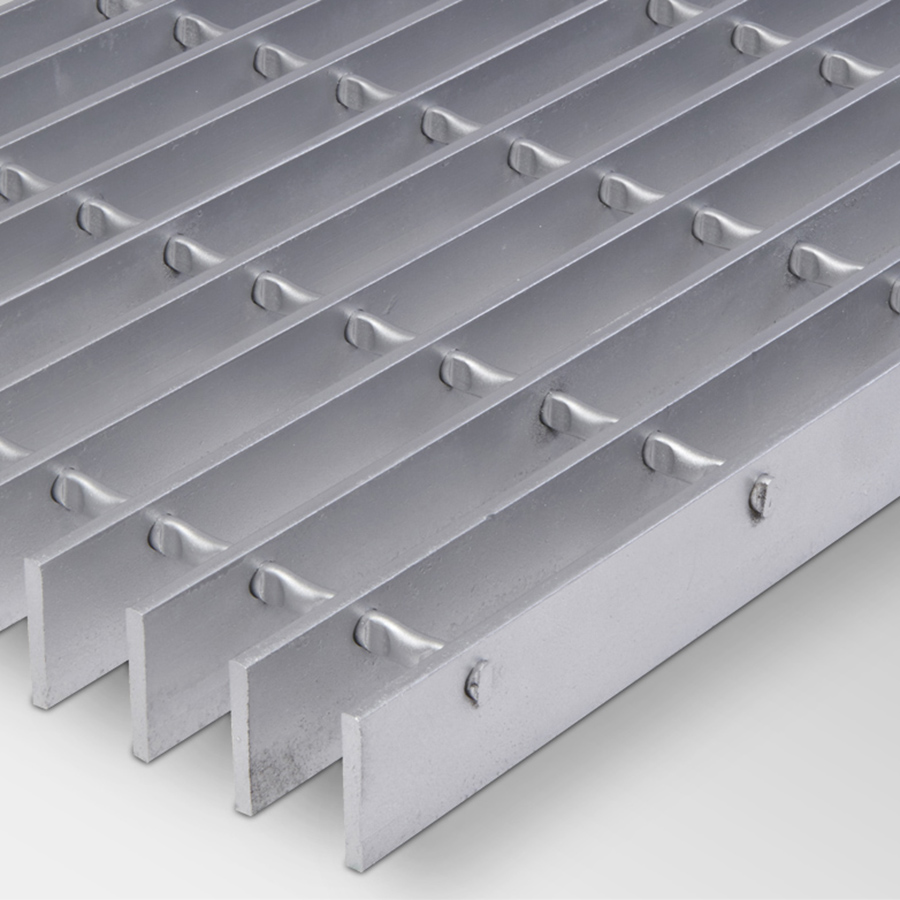
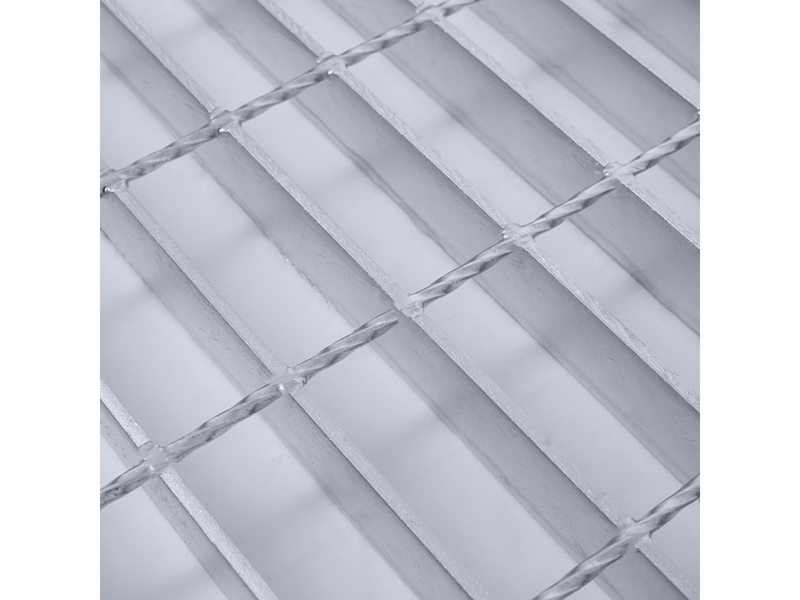
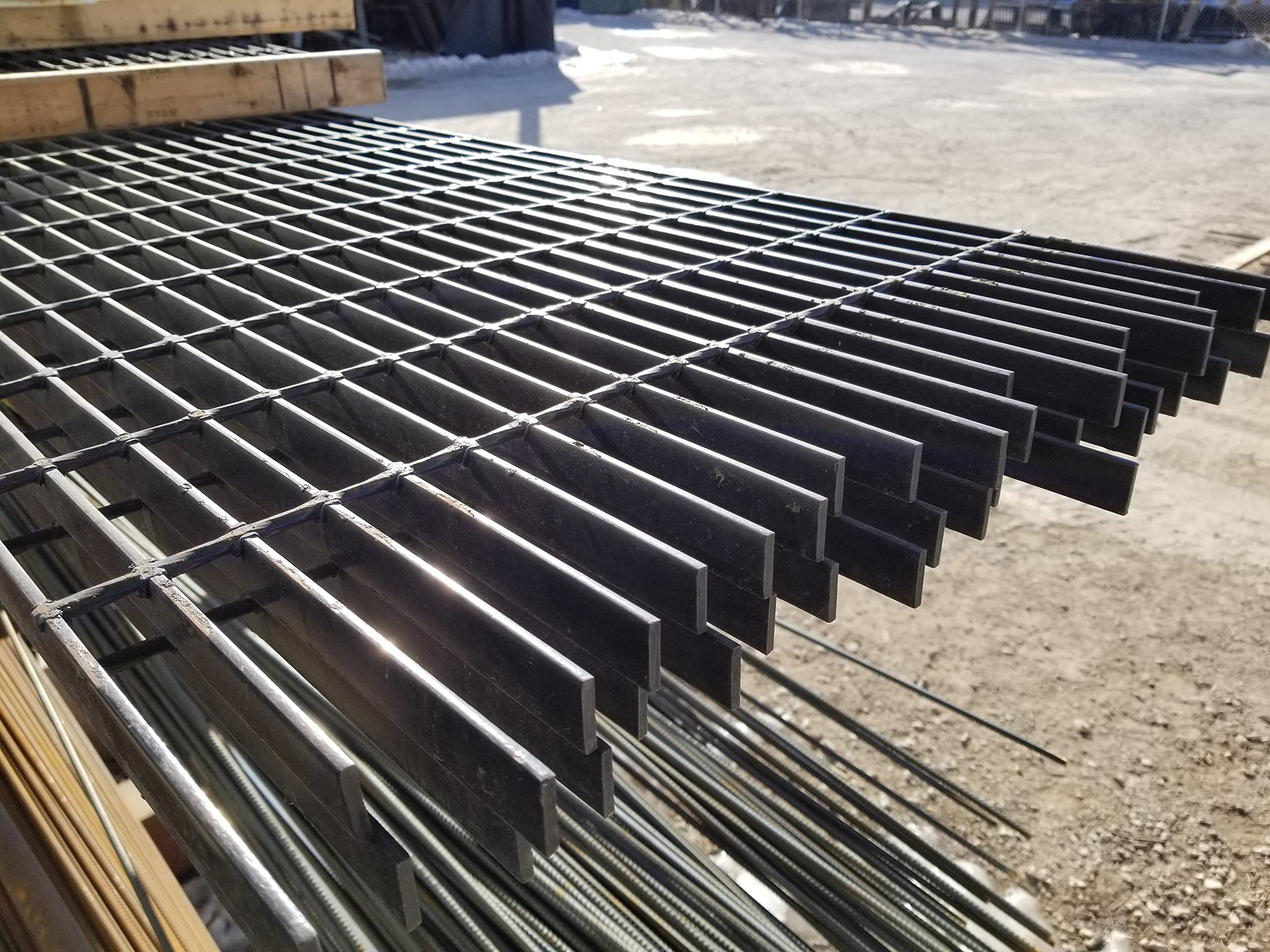
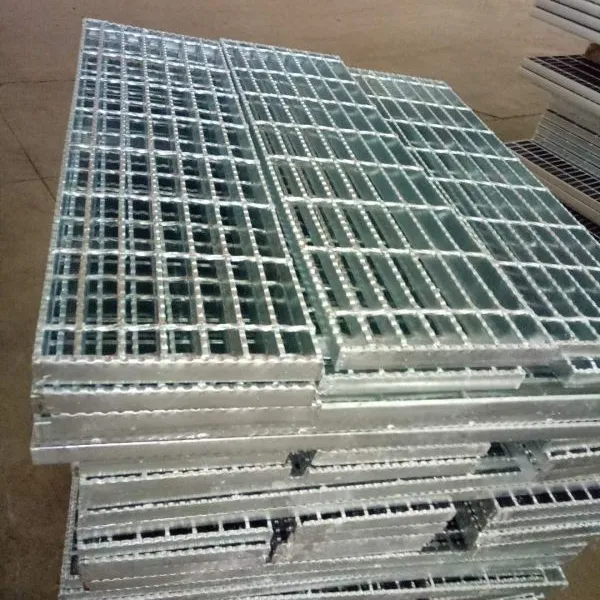
Serrated steel grating is a type of industrial bar grating in which the top surface of each bearing bar is mechanically notched to create a serrated profile. These serrations are typically cut at regular intervals along the length of the bearing bar using a specialized pressing or rolling process, resulting in raised teeth that protrude slightly above the bar's original surface. The term "serrated" refers to these small, closely spaced notches that give the product its distinctive anti-slip texture.
How the Serrated Surface Provides Anti-Slip Safety
The anti-slip mechanism of this grating design is straightforward yet highly effective. When a worker steps onto the surface, the raised serrations bite into the sole of the footwear, providing mechanical interlock that prevents slipping. Unlike plain bar grating, where a smooth metal surface offers minimal friction — especially when wet or contaminated with oil, grease, or food processing residues — the serrated edges create multiple contact points that continuously engage with footwear.
Key performance characteristics of the serrated surface include:
- Increased coefficient of friction: Laboratory testing shows serrated surfaces can achieve coefficients of friction above 0.6, compared to 0.2–0.3 for plain steel grating in wet conditions.
- Self-cleaning properties: The open design of the serrations allows debris, water, and contaminants to fall through rather than accumulating on the walking surface.
- Multi-directional slip resistance: Unlike some specialized slip-resistant coatings that only work in one direction, serrated bar grating provides traction in all directions — forward, backward, and lateral.
- Durability under heavy traffic: The serrations are formed from the same material as the bearing bar itself, meaning they cannot peel, delaminate, or wear away like applied coatings or adhesive anti-slip treatments.
This type of safety grating meets or exceeds OSHA standard 1910.22 for workplace walking-working surfaces, which requires floors to be kept clean and dry but also mandates slip-resistant surfaces where wet processes exist. Many facilities use serrated metal grating as a primary means of compliance with these safety regulations.

Serrated Steel Grating vs Plain Steel Grating: Key Differences
One of the most common questions engineers and facility managers ask is: serrated steel grating vs plain steel grating: what is the difference? While both products share the same basic construction of parallel bearing bars joined by cross bars, the difference in surface profile has significant implications for safety, performance, and cost.
| Feature | Serrated Steel Grating | Plain Steel Grating |
|---|---|---|
| Slip Resistance | Excellent — raised teeth provide mechanical grip | Poor to moderate — smooth surface relies on friction alone |
| Wet/Oil Performance | High — serrations cut through liquid films | Low — liquids create hydroplaning risk |
| OSHA Compliance | Meets slip-resistance requirements directly | May require additional coatings or treatments |
| Cost Premium | 10–20% higher than plain grating | Baseline price |
| Load Capacity | Comparable — serrations do not reduce structural strength | Identical for same bar dimensions |
| Ease of Cleaning | Good — open serrations are self-cleaning | Good — smooth surface is easy to wash |
| Typical Applications | Wet/oily environments, food processing, offshore platforms | Dry indoor walkways, mezzanines, general flooring |
The decision between the two ultimately comes down to the operating environment. For dry, indoor applications where slip risk is minimal, plain grating may be sufficient at a lower cost. However, in any environment where water, oil, grease, chemicals, or food byproducts may be present on the walking surface, the anti-slip performance of serrated steel grating justifies the additional investment — often paying for itself through reduced workplace injury claims.
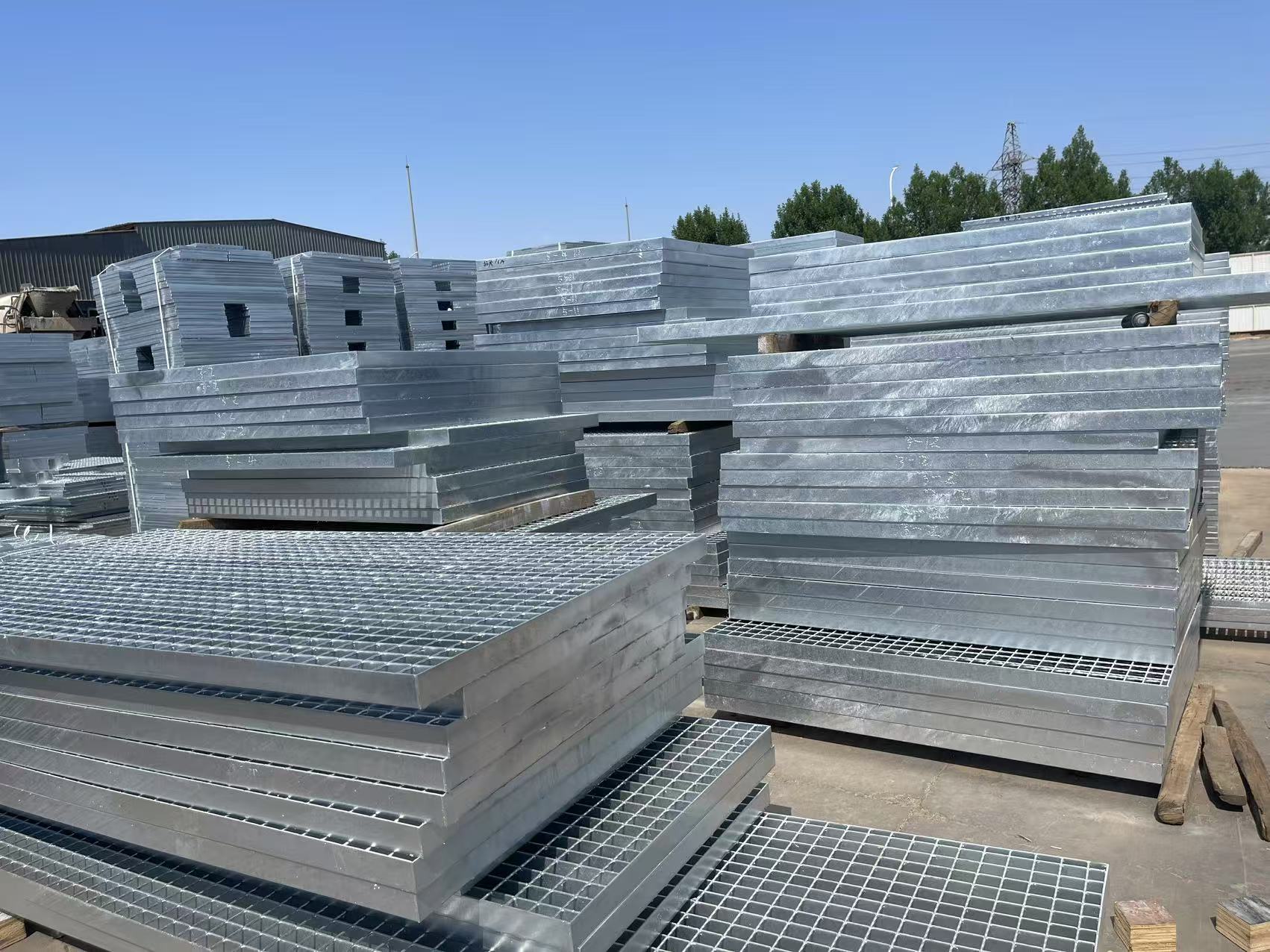
It is also worth noting that the serrated variant can be manufactured in the same material grades and finishes as plain grating, including hot-dip galvanized, stainless steel, and black (mill) finish. This means you gain the safety benefits of serration without compromising corrosion resistance or structural integrity.
Serrated Steel Grating Specifications
Understanding serrated steel grating specification data is essential for selecting the right product for your application. Specifications cover dimensional details, material grades, and load-bearing performance. Below we break down the key specification parameters every engineer and buyer should know.
Standard Sizes and Dimensions
The product is manufactured in standard panel sizes that can be cut to length for specific project requirements. Common specifications include:
- Bearing bar depth: Typically ranges from 1 inch (25 mm) to 2-1/2 inches (65 mm), with 1-inch and 1-1/4-inch being the most common for industrial walkways.
- Bearing bar thickness: Available from 1/8 inch (3 mm) to 3/16 inch (5 mm), with 3/16 inch providing greater load capacity.
- Serrated steel grating sizes: Standard panel widths are 3 feet (915 mm) or 4 feet (1220 mm), with lengths up to 20 feet (6 m). Custom sizes are available from most suppliers.
- Serrated bar grating dimensions: Center-to-center spacing of bearing bars is commonly 1-3/16 inches (30 mm) or 15/16 inches (24 mm), depending on the required open area and load rating.
- Cross bar spacing: Typically 2 inches (50 mm) or 4 inches (100 mm) center-to-center.
The most popular standard specification for general industrial use is 1-inch x 3/16-inch bearing bars at 1-3/16-inch centers, with 2-inch cross bar spacing. This configuration offers a good balance of strength, weight, and open area for ventilation and drainage.
Serrated Steel Grating Load Capacity
Serrated steel grating load capacity is determined by the same structural engineering principles that apply to plain steel grating. The key variables affecting load capacity include:
- Bearing bar depth: Deeper bars provide significantly higher load capacity. For example, a 1-1/4-inch bar can support approximately 25% more load than a 1-inch bar at the same thickness and spacing.
- Bar thickness: A 3/16-inch bar offers roughly 50% greater load capacity than a 1/8-inch bar of the same depth.
- Span length: Load capacity decreases as the unsupported span increases. A grating panel spanning 3 feet can support approximately four times the load of the same panel spanning 6 feet.
- Bearing bar spacing: Closer bar spacing distributes concentrated loads across more bars, increasing the overall load rating.

Engineers typically reference load tables published by the National Association of Architectural Metal Manufacturers (NAAMM) to determine the safe load capacity for specific grating configurations. These tables provide allowable uniform load (psf) and allowable concentrated load (lbs) for every standard bar size, spacing, and span combination. When specifying the load requirements for a project, always verify that the selected configuration meets or exceeds the maximum expected live load plus any safety factor required by local building codes.
Material Grades and Surface Finishes
Serrated bar grating is available in several material grades to suit different environmental conditions:
- Carbon steel (ASTM A36): The most economical option, suitable for dry indoor environments. Often paired with painted or galvanized finishes for corrosion protection.
- Galvanized steel: Hot-dip galvanized after fabrication provides excellent corrosion resistance for outdoor and humid environments. The coating also adds an additional layer of wear protection to the serrated surface.
- Stainless steel (304/316): Required for food processing, pharmaceutical, and highly corrosive chemical environments. Type 316 offers superior resistance to chlorides and acidic cleaning agents.
- Serrated stainless steel grating: Combines the anti-slip benefits of serration with the corrosion resistance of stainless steel, making it ideal for sanitary processing areas.
Industrial Applications of Serrated Steel Grating
This anti-slip grating serves critical safety functions across a wide range of industries. Its combination of slip resistance, structural strength, and drainage makes it the preferred flooring solution in environments where worker safety depends on secure footing.
Offshore Platforms and Marine Applications
Offshore oil and gas platforms are among the most demanding environments for industrial flooring. Crew members must navigate decks that are constantly exposed to seawater spray, crude oil, hydraulic fluids, and extreme weather conditions. In these settings, serrated steel grating provides reliable anti-slip performance that standard smooth grating cannot match. The serrations cut through saltwater films and oil residues, maintaining traction even in heavy sea conditions. Additionally, the open design allows waves and rain to drain freely, preventing standing water that could create slip hazards.
Chemical Processing Plants
Chemical processing facilities present unique safety challenges. Floors may be exposed to corrosive chemicals, acids, solvents, and lubricants that create extremely slippery conditions. Serrated metal grating — particularly in stainless steel or heavily galvanized finishes — resists chemical attack while maintaining its anti-slip properties throughout the life of the installation. The self-cleaning nature of the serrated surface prevents chemical residue buildup, reducing both slip risks and corrosion potential.
Food Processing and Sanitary Environments
The food and beverage industry requires flooring that is both hygienic and slip-resistant. Processing areas are frequently hosed down with hot water and sanitizing solutions, creating wet conditions that make smooth flooring dangerously slippery. Serrated bar grating is widely used in:
- Meat and poultry processing plants
- Breweries and beverage production facilities
- Dairy processing plants
- Commercial kitchens and food preparation areas
- Fish and seafood processing facilities
In these applications, stainless steel serrated grating is preferred because it resists corrosion from acidic food products and cleaning chemicals, and its open design allows debris and wash water to fall through rather than accumulating on the walking surface. Many food processing facilities rely on this product to meet both OSHA slip-resistance requirements and USDA sanitary design standards.
Other Key Applications
Beyond these primary industries, the product is also used in water treatment plants, wastewater facilities, mining operations, power generation stations, and general manufacturing plants. Anywhere that workers must walk on elevated platforms, catwalks, or mezzanines in potentially wet or contaminated conditions, serrated steel grating provides a reliable, long-lasting safety solution.
Installation and Cutting Guide
How to install serrated steel grating? The installation process is similar to that of standard steel bar grating, but the serrated surface requires some additional care during handling and cutting to preserve the integrity of the anti-slip teeth.
Cutting Serrated Steel Grating to Size
How to cut serrated steel grating to size? Use the following methods for on-site sizing:
- Abrasive cut-off saw: The most common method for field cutting. Use a metal-cutting abrasive blade and cut slowly to avoid overheating and damaging the serrations near the cut line.
- Plasma cutting: Suitable for larger cuts or when cutting multiple panels. The heat-affected zone is minimal, and serrations near the cut remain intact.
- Band saw: Provides clean, precise cuts with minimal heat buildup. Use a bi-metal blade with 10–14 teeth per inch for best results.
After cutting, deburr the cut edges with a file or grinder to remove sharp burrs. Take care not to grind into the serrated surface of adjacent bearing bars.
Installation Best Practices
Panels are typically secured to supporting steelwork using one of these methods:
- Weld mounting: The most secure method. Weld the grating to support beams at each bearing bar intersection. Use a minimum 1/4-inch fillet weld at each location. For galvanized product, grind the zinc coating away at weld points first and apply cold galvanizing paint after welding to restore corrosion protection.
- Mechanical fasteners: Grate clips or saddle clips provide a secure, removable installation. This is preferred for applications where the grating may need to be lifted for equipment access or maintenance.
- Channel frames: Panels can be set into structural channel frames and secured with clips or set screws for a flush, finished appearance.
Always follow the manufacturer's installation guidelines and verify that the supporting structure is designed to carry both the dead load of the grating and the expected live loads. The serrated surface should face upward at all times — never install this product upside down.
Cost Factors for Serrated Steel Grating
How much does serrated steel grating cost? The cost depends on several variables, including material grade, bar dimensions, surface finish, panel size, and order quantity. Understanding these cost factors helps buyers budget accurately and compare supplier quotes.
| Cost Factor | Impact on Price | Typical Range (per sq ft) |
|---|---|---|
| Carbon steel, mill finish | Baseline price | $8–$15 |
| Galvanized (hot-dip) | +15–25% over mill | $10–$20 |
| Stainless steel 304 | 2–3x carbon steel | $20–$40 |
| Stainless steel 316 | 3–4x carbon steel | $30–$55 |
| Serrated surface (vs plain) | +10–20% premium | N/A |
Key considerations when evaluating serrated steel grating price:
- Quantity discounts: Bulk orders of 500+ square feet typically receive 10–20% discounts. Full truckload orders (2,000+ sq ft) command the best per-unit pricing.
- Custom fabrication: Cut-to-size panels, cutouts for pipe penetrations, and special edge treatments add fabrication charges. Plan your layout to maximize the use of standard panel sizes and minimize custom work.
- Shipping costs: Steel grating is heavy — a standard 4 ft x 20 ft panel of 1-inch serrated grating weighs approximately 400–500 lbs. Factor freight costs into your total budget.
- Location: Prices vary by region. Buyers near steel service centers and major ports typically pay less due to lower freight costs.
For the most accurate pricing, request quotes from multiple suppliers with your specific dimensions, material grade, and quantity. Most suppliers provide free quotes within 24–48 hours.
Where to Buy Serrated Steel Grating
Where to buy serrated steel grating near me? The product is available through multiple channels, including metal service centers, specialized grating manufacturers, and online industrial supply platforms. Choosing the right supplier depends on your project requirements, quantity, and timeline.
Reliable serrated steel grating suppliers typically offer:
- Complete specification sheets with load tables and dimensional data
- Standard and custom panel sizes
- Multiple material grades (carbon steel, galvanized, stainless steel)
- Fabrication services including cutting, notching, and banding
- On-time delivery with freight coordination
When evaluating vendors, request their NAAMM load tables and certification documentation. Reputable manufacturers provide third-party test data verifying the load capacity and slip resistance of their products. Additionally, ask about lead times — standard panels typically ship within 2–4 weeks of order, while custom fabrication may require 4–6 weeks.
For international buyers, many suppliers offer export packaging and container loading services. Be sure to specify your delivery location and required lead time when requesting quotes. Comparing quotes from 3–5 suppliers ensures competitive pricing and helps you find the best combination of quality, service, and value for your specific application.

Conclusion
Serrated steel grating represents a critical advancement in industrial safety flooring. Its unique serrated surface design provides reliable, long-lasting anti-slip performance that protects workers in the most demanding environments — from offshore platforms battered by sea spray to food processing plants subjected to daily washdowns.
When selected and installed correctly, this product delivers exceptional value through:
- Enhanced worker safety: The mechanical grip of the serrated surface significantly reduces slip-and-fall risks, helping facilities meet OSHA and international safety standards.
- Long service life: Because the anti-slip teeth are formed from the base material rather than applied as a coating, the safety performance does not degrade over time.
- Low maintenance: The self-cleaning open design minimizes debris accumulation and reduces cleaning frequency.
- Versatility: Available in carbon steel, galvanized, and stainless steel options with a wide range of load capacity ratings to suit any application.
To specify the right product for your needs, start by defining your serrated steel grating specification: required span, expected loads, environmental conditions, and desired panel dimensions. Consult NAAMM load tables to verify that your chosen configuration provides adequate strength, and always prioritize slip resistance in wet, oily, or contaminated environments.
By investing in quality serrated steel grating from a reputable supplier, you are investing in the safety and productivity of your workforce — and that is a decision that pays dividends for years to come.