Introduction
When industrial projects demand exceptional strength, corrosion resistance, and longevity, stainless steel grating is the material of choice. Among the various grades available, 304 and 316 stainless steel dominate the market. But choosing between them is not always straightforward — each offers distinct advantages depending on the operating environment, budget, and performance requirements.
This complete comparison guide examines the critical differences between 304 and 316 stainless steel grating. We will analyze their chemical composition, corrosion resistance, mechanical properties including stainless steel grating load capacity, standard sizing options, and real-world cost trade-offs. Whether you are specifying grating for a food processing facility, a chemical plant, or a coastal marine installation, understanding these differences is essential for making a cost-effective and technically sound decision.
We will also address common questions: What are the standard stainless steel grating sizes? How does stainless steel grating weight affect structural design? Is stainless steel grating worth the extra cost compared to galvanized steel? By the end of this guide, you will have a clear framework for selecting the right grade for your application.
What Is Stainless Steel Grating?
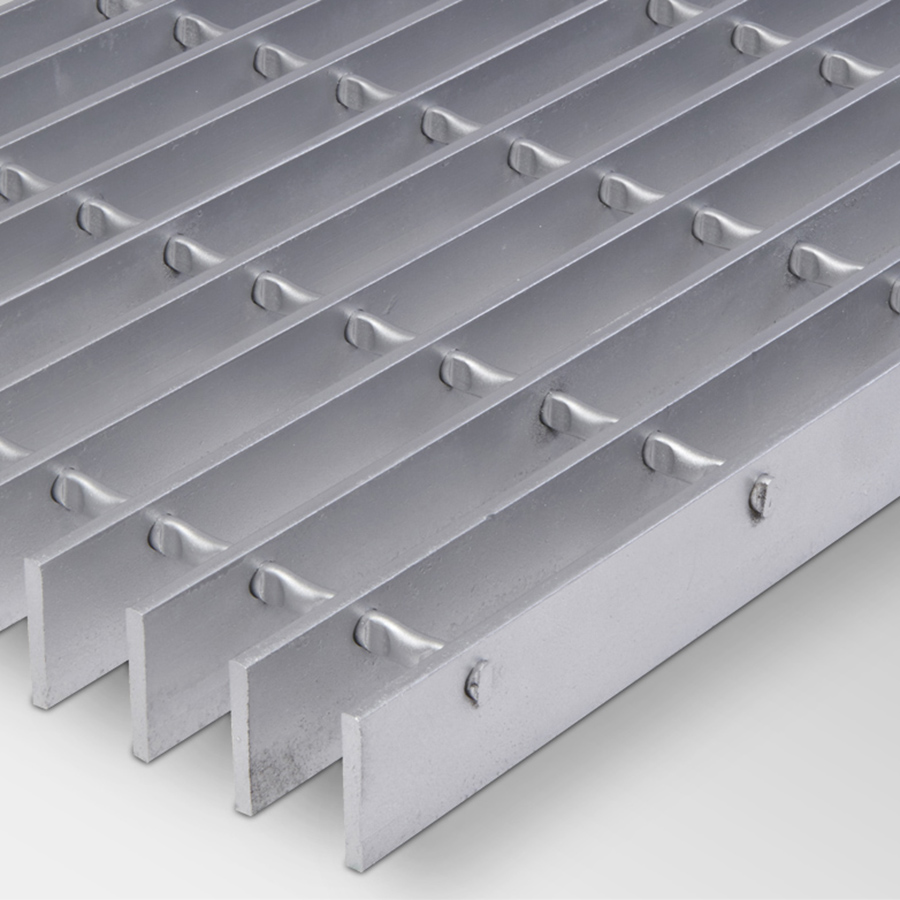
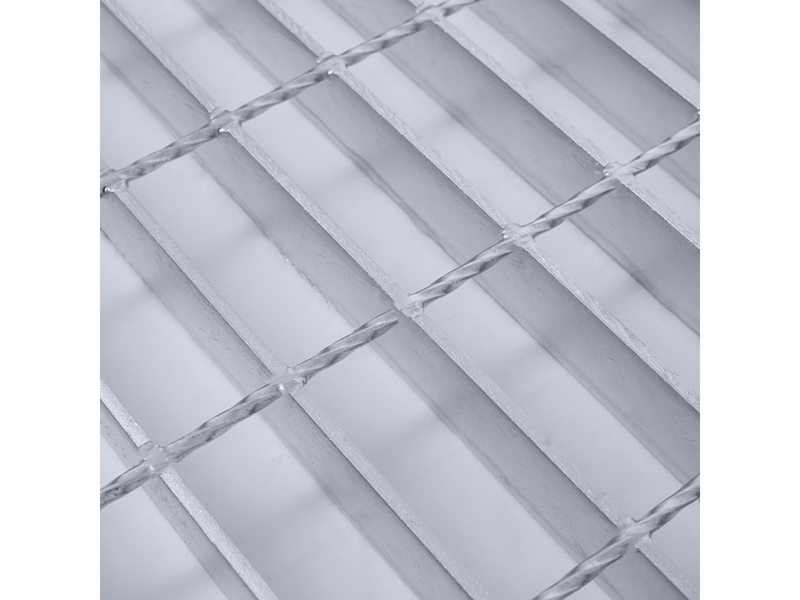
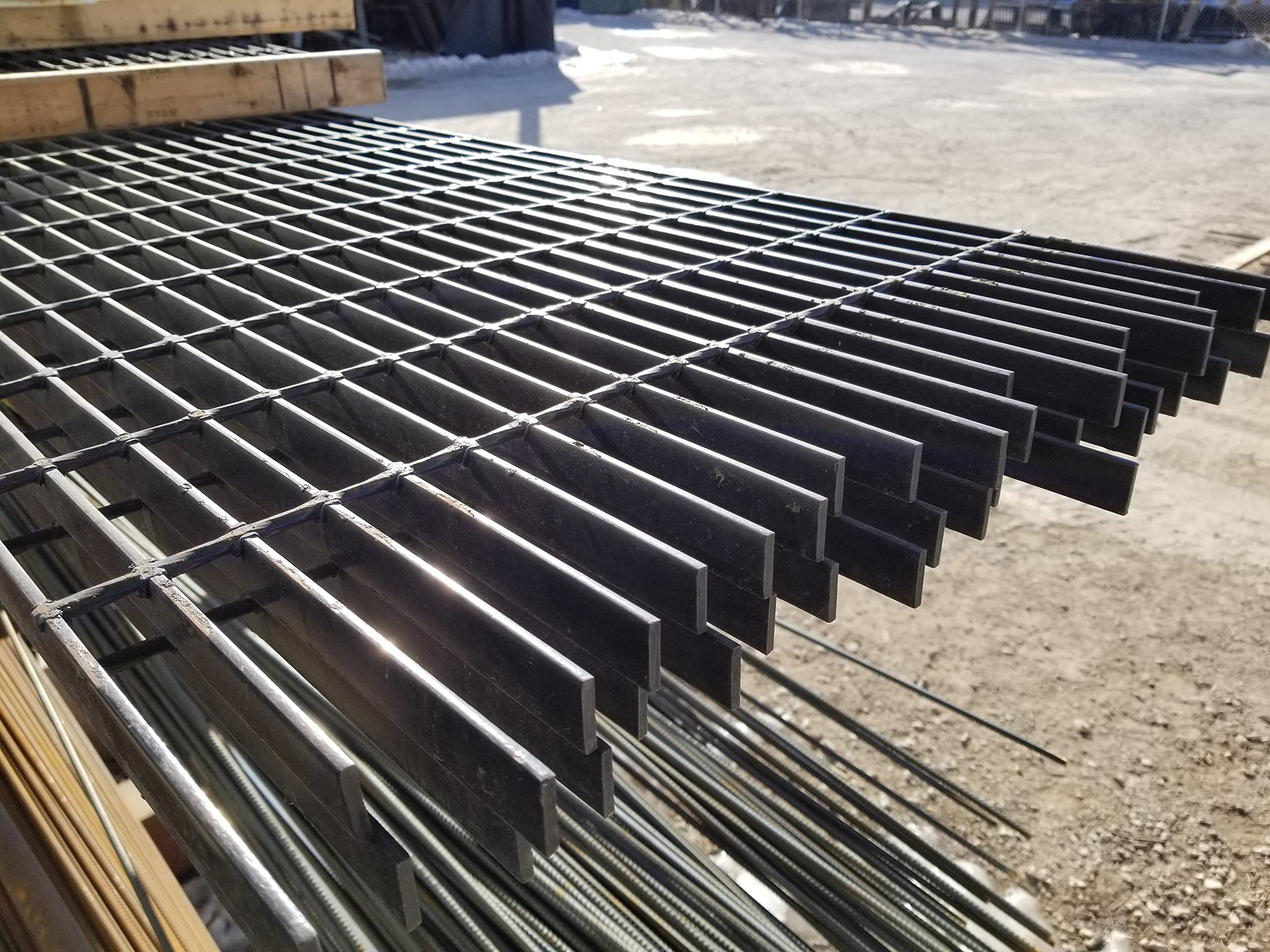
Stainless steel grating is a fabricated metal product consisting of a series of parallel load-bearing bars spaced at regular intervals, with cross bars welded or riveted perpendicularly to form a rigid grid structure. Unlike carbon steel grating, stainless steel grating is manufactured from corrosion-resistant steel alloys, making it ideal for environments where rust and chemical degradation are concerns.
How Stainless Steel Grating Is Manufactured
The most common manufacturing method is electro-forging, where cross bars are resistance-welded to the bearing bars under high pressure and temperature. This produces a one-piece panel with exceptional strength. Other methods include pressure-locking and swaging, which are used for specific applications requiring smooth surfaces or tighter tolerances.
Common Applications
Stainless steel grating is widely used across multiple industries:
- Food and beverage processing — where hygiene, easy cleaning, and resistance to acidic washdowns are critical
- Chemical and pharmaceutical plants — where exposure to corrosive chemicals demands a durable flooring solution
- Marine and offshore platforms — where saltwater corrosion is a constant challenge
- Wastewater treatment facilities — where humid, chemically aggressive atmospheres would quickly degrade carbon steel
- Commercial kitchens and breweries — requiring slip-resistant, easy-to-sanitize walkways
The specific grade of stainless steel used — 304 or 316 — dramatically affects performance in these environments, which is the central focus of this guide.
304 vs 316: Chemical Composition Differences
The fundamental difference between 304 and 316 stainless steel grating lies in their chemical makeup. Both are austenitic stainless steels, but the addition of molybdenum in grade 316 gives it superior corrosion resistance. Below is a detailed breakdown of their chemical compositions:
| Element | 304 Stainless Steel (%) | 316 Stainless Steel (%) |
|---|---|---|
| Carbon (C) | 0.08 max | 0.08 max |
| Chromium (Cr) | 18.0 – 20.0 | 16.0 – 18.0 |
| Nickel (Ni) | 8.0 – 10.5 | 10.0 – 14.0 |
| Molybdenum (Mo) | — | 2.0 – 3.0 |
| Manganese (Mn) | 2.0 max | 2.0 max |
| Silicon (Si) | 0.75 max | 0.75 max |
| Phosphorus (P) | 0.045 max | 0.045 max |
| Sulfur (S) | 0.030 max | 0.030 max |
| Iron (Fe) | Balance | Balance |
Key Differences Explained
Molybdenum Content: The most significant differentiator is molybdenum. Grade 316 contains 2–3% molybdenum, which enhances pitting and crevice corrosion resistance, particularly in chloride-rich environments. Grade 304 contains no molybdenum.
Nickel Content: 316 has a higher nickel content (10–14%) compared to 304 (8–10.5%), which improves its overall corrosion resistance and formability.
Chromium Content: Interestingly, 304 has slightly higher chromium (18–20%) than 316 (16–18%). However, the molybdenum addition in 316 more than compensates for this difference in corrosive environments.
These chemical differences directly translate into performance variations that matter when selecting stainless steel grating for specific applications.
Corrosion Resistance Comparison
When comparing 304 vs 316 stainless steel grating, corrosion resistance is the single most important factor driving material selection. While both grades offer excellent resistance to oxidation and general corrosion, their performance diverges significantly in aggressive environments.
General Corrosion Resistance
Both 304 and 316 form a passive chromium oxide layer on their surface that protects against corrosion. In normal atmospheric conditions, both perform well. However, when exposed to chlorides — found in saltwater, de-icing salts, and many industrial chemicals — 316 dramatically outperforms 304.
Pitting and Crevice Corrosion
Pitting corrosion is a localized form of attack that creates small holes in the metal surface. The molybdenum in 316 stainless steel provides exceptional resistance to pitting, making it the preferred choice for:
- Marine environments: Coastal installations, shipbuilding, offshore platforms, and docks require 316 stainless steel grating to withstand continuous saltwater exposure. 304 would develop pitting within months in the same conditions.
- Chemical processing plants: Exposure to chlorides, acids, and caustic solutions demands the enhanced chemical resistance of 316. Industries handling bleach, brine, or hydrochloric acid typically specify 316 stainless steel grating.
- Food processing: While 304 is suitable for most food-grade applications, facilities that process acidic foods (citrus, tomatoes, pickling brines) benefit from 316. Both grades are FDA-compliant for direct food contact.
Temperature Resistance
Both grades maintain good mechanical properties at elevated temperatures up to 870°C for 304 and 925°C for 316 in continuous service. For intermittent service, 304 can handle up to 925°C and 316 up to 870°C. Grade 316 also has better oxidation resistance at high temperatures due to its higher nickel content.
Comparative Corrosion Resistance Table
| Environment | 304 Stainless Steel | 316 Stainless Steel |
|---|---|---|
| Atmospheric (rural/urban) | Excellent | Excellent |
| Fresh water | Excellent | Excellent |
| Sea water (splash zone) | Moderate — pitting likely | Good — acceptable for most applications |
| Chemical (chlorides, acids) | Moderate | Good to Excellent |
| Food processing (general) | Excellent | Excellent |
| Food processing (acidic/high salt) | Moderate | Excellent |
| Wastewater treatment | Moderate | Good |
For environments where even minor corrosion is unacceptable — such as pharmaceutical clean rooms or marine safety walkways — 316 stainless steel grating is the standard specification.
Stainless Steel Grating Load Capacity and Mechanical Properties
Both 304 and 316 stainless steel grating deliver excellent mechanical strength, but understanding stainless steel grating load capacity is critical for safe structural design. The load-bearing performance depends on bearing bar size, spacing, and material grade — not just the alloy type.
Mechanical Properties Comparison
| Property | 304 Stainless Steel | 316 Stainless Steel |
|---|---|---|
| Tensile Strength (MPa) | 515 – 620 | 515 – 620 |
| Yield Strength (MPa) | 205 – 310 | 205 – 310 |
| Elongation (%) | 40 – 60 | 40 – 60 |
| Hardness (Rockwell B) | 82 – 88 | 79 – 88 |
| Modulus of Elasticity (GPa) | 193 | 193 |
As the table shows, 304 and 316 have nearly identical mechanical properties. The stainless steel grating load capacity for a given bar size and span is essentially the same regardless of whether you choose 304 or 316. This means your grade selection can be based purely on corrosion resistance requirements without compromising structural performance.
Factors Affecting Load Capacity
The load capacity of stainless steel grating is determined by several design parameters:
- Bearing bar height: Deeper bars (e.g., 25mm, 32mm, 40mm) provide greater load capacity. Standard heights range from 20mm to 65mm.
- Bearing bar thickness: Common thicknesses are 3mm, 5mm, and 6mm. Thicker bars increase both strength and stainless steel grating weight.
- Bar spacing: Center-to-center spacing (typically 30mm or 40mm) affects both load distribution and open area.
- Span length: The distance between supports is the primary variable in load calculations. Doubling the span reduces load capacity by approximately 75%.
Load Capacity Ratings
Standard stainless steel grating load capacity ratings are typically expressed as uniform distributed load (UDL) in kN/m² or concentrated load in kN. For example, a standard 25×5mm bar at 30mm spacing can support approximately 4.0 kN/m² over a 600mm span — sufficient for pedestrian walkways. Heavy-duty configurations with 40×5mm bars can handle vehicular loads exceeding 10 kN/m².
Always consult load tables from your grating manufacturer and verify compliance with relevant standards such as AS/NZS 1657, OSHA, or ISO 14122 when designing for specific load requirements.
Standard Stainless Steel Grating Sizes
Understanding stainless steel grating sizes is essential for project planning and procurement. Standard sizes vary by manufacturer, but the industry has established common dimensions that simplify specification.
Standard Panel Sizes
Most stainless steel grating is supplied in modular panels. The most common standard panel sizes are:
| Dimension | Common Ranges |
|---|---|
| Panel Length | 1000mm, 1200mm, 1500mm, 2000mm, 2440mm, 3000mm, 3660mm, 6000mm |
| Panel Width | 500mm, 600mm, 914mm, 1000mm, 1200mm, 1500mm |
| Bearing Bar Height | 20mm, 25mm, 30mm, 32mm, 38mm, 40mm, 50mm, 65mm |
| Bearing Bar Thickness | 3mm, 4.5mm, 5mm, 6mm, 8mm |
| Bar Spacing (center) | 30mm, 40mm, 60mm, 100mm |
Custom Sizes
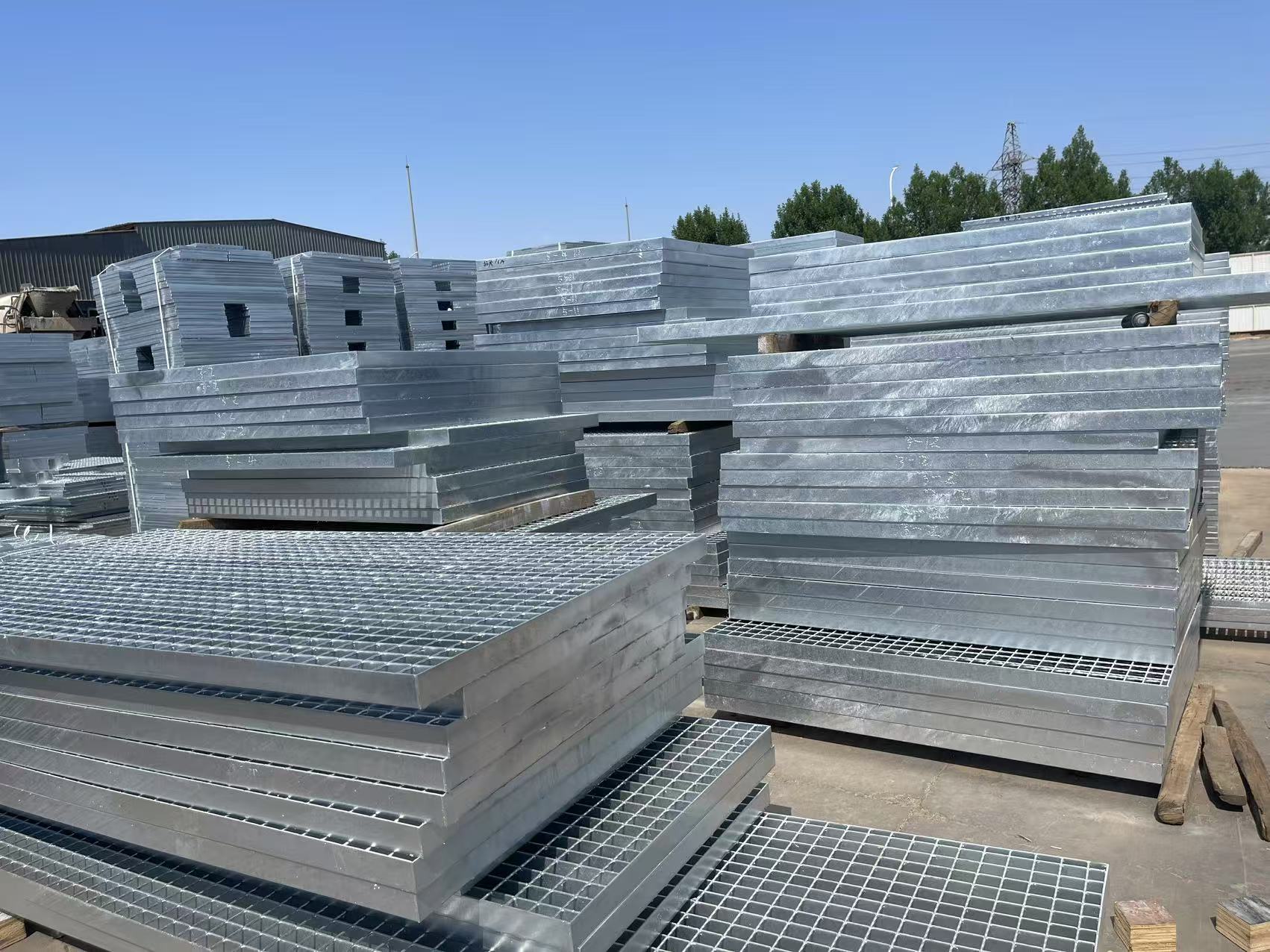
Most reputable manufacturers offer custom fabrication to match exact project dimensions. Custom stainless steel grating sizes can be produced for non-standard openings, curved walkways, or irregular structural supports. When ordering custom sizes, provide accurate span lengths and load requirements to ensure proper design.
Stainless Steel Grating Weight Per Square Meter
The stainless steel grating weight varies significantly based on bar dimensions and spacing. Here are approximate weights for common configurations:
| Configuration | Weight (kg/m²) |
|---|---|
| 25×3mm bars @ 30mm spacing | 29.5 |
| 25×5mm bars @ 30mm spacing | 48.2 |
| 32×5mm bars @ 30mm spacing | 61.0 |
| 32×5mm bars @ 40mm spacing | 46.5 |
| 40×5mm bars @ 30mm spacing | 76.8 |
| 40×5mm bars @ 40mm spacing | 58.5 |
| 50×5mm bars @ 30mm spacing | 96.0 |
Note that stainless steel grating weight is approximately the same for 304 and 316 since their densities are nearly identical (7,930 kg/m³ for 304 vs 7,980 kg/m³ for 316 — a negligible 0.6% difference). Weight calculations should also account for cross bars, which add approximately 5–10% to the total depending on spacing.
Knowing the weight per square meter is crucial for shipping cost estimation, structural support design, and installation planning.
Stainless Steel Grating vs Galvanized Steel Grating
A common question in procurement is stainless steel grating vs galvanized steel grating — which is the better choice? The answer depends entirely on the application environment, budget, and expected service life.
Initial Cost Comparison
Galvanized steel grating is significantly cheaper upfront. Hot-dip galvanized carbon steel grating typically costs 40–60% less than 304 stainless steel grating, and 50–70% less than 316. This makes galvanized grating attractive for budget-conscious projects where corrosion exposure is moderate.
Service Life and Lifecycle Cost
While galvanized steel has lower upfront costs, its lifecycle economics are less favorable in corrosive environments:
- Indoor/dry environments: Galvanized steel can last 20–30 years. Stainless steel (304) can last 50+ years.
- Outdoor/industrial: Galvanized coating may degrade in 10–15 years, requiring re-coating or replacement. Stainless steel grating (316 if chlorides present) continues performing indefinitely with minimal maintenance.
- Marine/coastal: Galvanized steel typically fails within 3–5 years due to chloride attack on the zinc coating. 316 stainless steel is effectively permanent in these environments.
Performance Comparison
| Factor | Galvanized Steel | Stainless Steel (304/316) |
|---|---|---|
| Corrosion resistance | Good (coating-dependent) | Excellent (inherent) |
| Strength | Comparable | Comparable |
| Temperature range | Up to 200°C (coating limits) | Up to 870°C |
| Aesthetics | Matte gray (dulls over time) | Bright, clean appearance |
| Maintenance | Periodic re-coating needed | Minimal — occasional cleaning |
| Hygiene | Moderate (coating can degrade) | Excellent (non-porous surface) |
| Recyclability | 100% recyclable | 100% recyclable |
When to Choose Galvanized
Galvanized steel grating is appropriate for: dry indoor environments, temporary installations, budget-limited projects with low corrosion risk, and applications where the grating can be easily replaced.
When to Choose Stainless Steel
Stainless steel grating is the better choice for: wet or humid environments, food processing and pharmaceutical facilities requiring hygiene, chemical plants, marine and coastal installations, high-temperature applications, and projects where long-term reliability justifies the premium. When comparing stainless steel grating vs galvanized steel grating, always consider total lifetime cost rather than just the purchase price.
Cost Analysis: 304 vs 316
The cost difference between 304 and 316 stainless steel grating is significant and must be weighed against the performance benefits. Here is a detailed cost analysis to help you make an informed purchasing decision.
Raw Material Cost Difference
Type 316 stainless steel contains more nickel and molybdenum than 304 — both expensive alloying elements. As a result, the raw material cost for 316 is approximately 30–50% higher than 304. This premium fluctuates with global commodity prices for nickel and molybdenum.
Fabrication and Processing Costs
Because 316 has slightly higher work-hardening rates, fabrication costs (cutting, welding, drilling) are marginally higher — typically 5–10% more than 304. However, the difference is minor compared to the raw material price gap. Most manufacturers price stainless steel grating products based on material grade plus a standard fabrication fee.
Total Cost Comparison: 304 vs 316
| Cost Factor | 304 Stainless Steel Grating | 316 Stainless Steel Grating |
|---|---|---|
| Raw material (per kg) | Baseline | 30–50% higher |
| Fabrication | Baseline | 5–10% higher |
| Total product cost (typical) | Baseline | 35–55% higher |
| Expected service life (industrial) | 15–25 years | 25–40 years |
| Maintenance cost (annual) | Low | Very low to negligible |
| Replacement frequency | Higher in aggressive environments | Lower |
Is Stainless Steel Grating Worth the Extra Cost?
This is one of the most frequently asked questions in grating procurement. The answer depends on your specific situation:
- For food processing and pharmaceutical plants: Yes — 304 stainless steel grating pays for itself through hygiene compliance, ease of cleaning, and zero rust contamination risk. In acidic food environments, upgrade to 316.
- For marine and coastal installations: 316 is worth the premium. 304 would require replacement within a few years in saltwater exposure, making 316 the more economical choice over the full lifecycle.
- For chemical processing: Evaluate the specific chemicals involved. If chlorides or strong acids are present, 316 is essential. For milder chemicals, 304 may suffice.
- For dry indoor applications: 304 is typically sufficient and cost-effective. Unless code requires otherwise, there is no need to pay the 316 premium.
When budgeting, request quotes from multiple suppliers for both grades. The price gap varies by region and market conditions. Many suppliers offer volume discounts that can reduce the 316 premium.
How to Choose the Right Stainless Steel Grating
Selecting the right stainless steel grating for your project involves evaluating several factors beyond just the 304 vs 316 decision. Use this decision framework to guide your selection:
Step 1: Assess the Environment
- Indoor, dry, temperature-controlled: 304 stainless steel grating is typically adequate and cost-effective.
- Outdoor with moderate humidity or occasional water: 304 remains suitable, though consider serrated surface for slip resistance in wet conditions.
- Coastal, marine, or chemical exposure: 316 stainless steel grating is strongly recommended. The premium cost is justified by dramatically longer service life.
- Food processing with acidic washdowns: 316 is preferred. For general food handling, 304 is acceptable.
Step 2: Determine Load Requirements
Calculate the maximum expected load (uniform distributed load plus any concentrated loads). Use load tables from manufacturers — which apply equally to 304 and 316 — to select the appropriate bearing bar size and spacing. Remember that stainless steel grating load capacity is determined by geometry, not grade.
Step 3: Verify Size and Fit
Confirm the required stainless steel grating sizes match available standard panels. If your dimensions are non-standard, factor in lead time for custom fabrication. Also verify that the stainless steel grating weight is within the load capacity of your supporting structure.
Step 4: Consider Regulatory Requirements
Some industries have specific standards that dictate material grade:
- Food safety (FDA, USDA, 3-A Sanitary): Stainless steel is required. 304 is generally acceptable; 316 for acidic environments.
- Pharmaceutical (GMP, cGMP): 316 is often specified for cleanroom environments due to its superior surface finish and corrosion resistance.
- Marine (Lloyd's, DNV, ABS): 316 is typically required for offshore and shipboard applications.
- OSHA/ISO 14122: These safety standards specify load requirements but not material grades — choose based on environment.
Surface Finish Options
Both 304 and 316 stainless steel grating can be supplied with different surface finishes:
- Plain (smooth): Standard finish, suitable for most applications
- Serrated: Raised teeth on bearing bars for enhanced slip resistance — ideal for wet, oily, or sloped walkways
- Polished: Smooth, reflective surface for architectural applications or cleanrooms
- Pickled and passivated: Chemically cleaned surface that restores the passive layer for maximum corrosion resistance
Where to Buy Stainless Steel Grating
When sourcing stainless steel grating, work with reputable manufacturers who provide material certifications (mill test reports) verifying the grade. Request samples if possible, and confirm that the supplier can provide the specific sizes, finishes, and load ratings your project requires. Major industrial grating manufacturers in China, India, and Europe offer competitive pricing on both 304 and 316 grades.
Maintenance and Cleaning Tips
Proper maintenance extends the service life of stainless steel grating and preserves its appearance. While stainless steel requires far less maintenance than carbon steel or galvanized alternatives, it is not maintenance-free.
How to Clean Stainless Steel Grating
Cleaning frequency depends on the environment. Here are recommended procedures for different conditions:
- Routine cleaning (all environments): Hose down with fresh water and wipe with a soft cloth or sponge. For walkway grating, a stiff nylon brush can remove debris between bars.
- Food processing facilities: Clean daily with warm water and mild detergent. Rinse thoroughly to remove detergent residues. Periodic sanitization with approved food-grade sanitizers is recommended.
- Chemical or industrial environments: Rinse immediately after any chemical spill. Use clean water and a neutral detergent. Avoid chloride-based cleaners on 304 — they can trigger pitting.
- Marine environments: Rinse weekly with fresh water to remove salt deposits. More frequent rinsing during peak salt exposure seasons.
Removing Stubborn Stains
For oxidation discoloration (tea staining) or light rust bloom — which can occur on 304 in marine environments — use a mild abrasive cleaner or a specialized stainless steel cleaner. Always rub in the direction of the grain. For more persistent staining, a dilute nitric acid passivation treatment may be necessary, though this should be performed by a professional.
Preventing Contamination
One common cause of surface corrosion in stainless steel grating is contamination from carbon steel. If carbon steel tools, grinding debris, or wire brushes contact the stainless steel surface, iron particles can embed in the surface and create localized rust spots. Always use dedicated stainless steel tools and work surfaces when handling or installing stainless steel grating.
Cutting Stainless Steel Grating to Size
When field modifications are needed, how to cut stainless steel grating to size is a practical concern. Use these methods:
- Abrasive cut-off saw: Fast and effective for straight cuts. Use a new blade to minimize burrs.
- Plasma cutting: Suitable for thicker bars but requires skill to prevent excessive heat-affected zones.
- Band saw: Produces clean, accurate cuts with minimal heat input.
- Grinder with cut-off wheel: Good for small adjustments and detail work.
After cutting, remove all burrs with a file or deburring tool. Passivate the cut edges to restore corrosion resistance. Never use carbon steel blades or brushes on stainless steel grating.
Conclusion
Choosing between 304 and 316 stainless steel grating is a decision that affects project cost, safety, and long-term reliability. Here is a concise summary of when to select each grade:
- Choose 304 stainless steel grating for dry indoor environments, general food processing, mild chemical exposure, and projects where budget is a primary concern but corrosion resistance is still needed. It offers an excellent balance of cost and performance for most industrial applications.
- Choose 316 stainless steel grating for marine and coastal installations, chemical plants handling chlorides or acids, pharmaceutical cleanrooms, acidic food processing, and any environment where long-term reliability in corrosive conditions is paramount.
Key takeaways from this guide:
- 304 and 316 have nearly identical mechanical properties — stainless steel grating load capacity depends on bar geometry, not grade
- The chemical composition difference (molybdenum in 316) is the deciding factor for corrosion resistance
- Stainless steel grating sizes and stainless steel grating weight are similar between the two grades
- 316 costs 35–55% more upfront but delivers longer service life in aggressive environments
- When comparing stainless steel grating vs galvanized steel grating, consider total lifecycle cost, not just initial price
- Proper cleaning and maintenance significantly extends the life of both grades
For most B2B industrial applications where stainless steel is specified, 304 provides sufficient performance at a reasonable cost. However, when the operating environment pushes the limits of 304's corrosion resistance — particularly in chloride-rich or acidic conditions — the upgrade to 316 is a wise investment that pays dividends through reduced maintenance and longer service intervals. Always consult with your grating manufacturer and structural engineer to verify that your selected grade, size, and configuration meet all project-specific requirements and regulatory standards.