Introduction
Steel grating is one of the most versatile and widely used industrial products in modern construction and infrastructure. From offshore oil platforms to food processing plants, steel grating provides essential solutions for walkways, platforms, drainage covers, and safety flooring. But what is grating used for in construction? The answer spans dozens of industries and hundreds of specific applications — each demanding different materials, load ratings, and surface treatments.
This comprehensive guide explores how steel grating applications vary across seven major industries: oil and gas, chemical processing, water treatment, power generation, mining, food processing, and general construction. Whether you are a procurement manager, facility engineer, or project specifier, understanding these applications will help you select the right grating for your specific operating environment.
In the sections that follow, we answer common questions like "What industries commonly use steel grating?" and "What are steel gratings used for?" by diving deep into real-world usage across demanding industrial settings.
What Is Grating Used for in Construction? An Overview
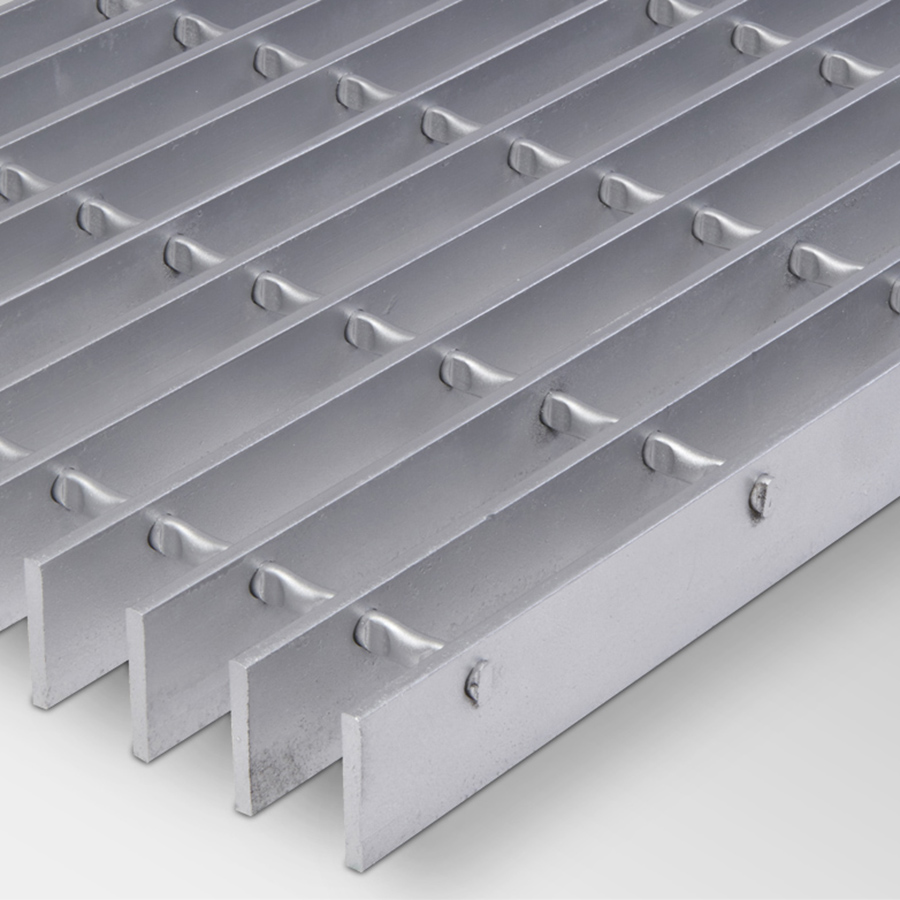
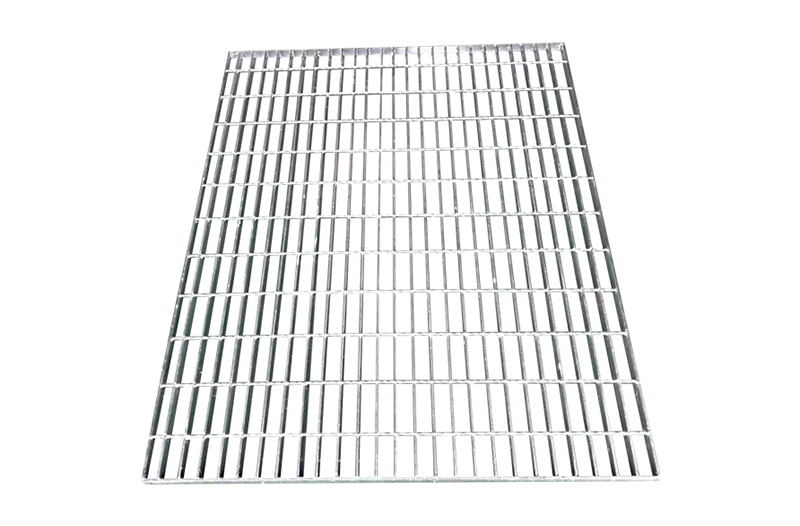
What is grating used for in construction? In simple terms, steel grating is used as an open-air flooring and walkway material that provides strength, safety, and drainage in a single product. Unlike solid flooring, the open-grid design allows light, air, water, and debris to pass through, making it ideal for both structural and safety applications.
Primary Functions of Steel Grating in Construction
The main construction applications of steel grating include:
- Industrial walkways and catwalks — providing safe access above machinery and process areas
- Platform flooring — creating elevated work surfaces in factories and plants
- Trench and drain covers — allowing water flow while supporting foot and vehicle traffic
- Mezzanine flooring — maximizing vertical space in warehouses and workshops
- Stair treads — offering slip-resistant steps for industrial staircases
- Safety barriers and guards — enclosing hazardous machinery while maintaining visibility
- Heavy duty steel grating platforms — supporting equipment and personnel in demanding environments
When facility managers ask "What are steel gratings used for?" the answer typically revolves around three core needs: load-bearing capacity, drainage efficiency, and safety underfoot. Steel grating walkways, for example, provide reliable access in areas where liquid spills, debris, or slippery conditions would make solid flooring dangerous.
Why Steel Grating Is Preferred Over Solid Flooring
Steel grating offers several advantages that make it indispensable in construction:
- Self-cleaning design — debris falls through the openings rather than accumulating
- Excellent load-to-weight ratio — high strength with minimal material
- Slip resistance — serrated surfaces provide superior traction in wet or oily conditions
- Fire and explosion safety — open grating prevents gas accumulation and allows heat dissipation
- Corrosion resistance options — galvanized, stainless, and coated gratings suit various environments
Industrial floor grating is particularly valued in settings where hygiene, drainage, and chemical resistance are critical — a combination that solid concrete or steel plate flooring cannot match. Similarly, what is floor grating used for? In industrial facilities, floor grating serves as durable, slip-resistant flooring that allows liquids and debris to pass through while supporting heavy foot and vehicle traffic.
Steel Grating in Oil and Gas Platforms
Oil and gas facilities — both offshore platforms and onshore refineries — operate in some of the harshest environments for industrial equipment. Why is steel grating used in oil and gas platforms? The answer lies in the unique combination of strength, corrosion resistance, and safety that steel grating provides in these demanding settings.
Offshore Platform Applications
On offshore drilling platforms, steel grating is used extensively for:
- Walkways and access paths — connecting different sections of the platform above sea level
- Helideck perimeter grating — providing safe edges around helicopter landing zones
- Equipment platforms — supporting pumps, valves, and processing equipment
- Stair treads and landing platforms — ensuring safe vertical movement between decks
- Drainage and drip pans — allowing seawater and oil drips to pass through while supporting personnel
Most offshore applications use hot-dip galvanized steel grating or stainless steel grating (316 grade) to withstand saltwater corrosion. Heavy duty steel grating platforms are standard for areas supporting drilling equipment, where load ratings often exceed 1000 psf.
Onshore Refinery and Terminal Applications
In refineries and tank terminals, steel grating walkways provide access around storage tanks, distillation columns, and processing units. The open design prevents the accumulation of flammable gases and reduces wind load on elevated structures — a critical safety consideration in hydrocarbon processing environments.
Galvanized steel grating is the most common choice for these environments because the zinc coating provides long-term corrosion protection at a reasonable cost. In areas exposed to sour gas (hydrogen sulfide), stainless steel grades such as 304L or 316L are specified instead.

Steel Grating in Chemical Processing Plants
Chemical processing plants present a unique set of challenges for flooring and walkway materials. How is steel grating used in chemical processing plants? It provides durable, corrosion-resistant access solutions in areas where chemical spills, high temperatures, and heavy maintenance loads are daily realities.
Key Applications in Chemical Plants
- Reactor platform flooring — providing access around chemical reactors and pressure vessels
- Pipe rack walkways — allowing operators to inspect and maintain overhead piping systems
- Loading and unloading areas — creating durable surfaces for tanker truck and railcar access
- Cooling tower platforms — supporting equipment in high-moisture, chemically treated environments
- Fume hood and ventilation grating — enabling airflow while supporting personnel above process areas
Material Selection for Chemical Environments
The primary concern in chemical plants is corrosion resistance. The choice of grating material depends on the chemicals present:
| Environment | Recommended Grating | Key Consideration |
|---|---|---|
| Acidic environments | 316 stainless steel grating | Molybdenum content resists acid attack |
| Alkaline / caustic environments | Galvanized steel grating | Zinc coating withstands high pH |
| Chloride / brine exposure | 316L stainless steel grating | Low carbon prevents sensitization |
| Solvent handling areas | Galvanized or painted steel grating | Cost-effective for non-corrosive solvents |
Chemical plant engineers frequently choose industrial floor grating with serrated surfaces for areas prone to liquid spills. The serrated teeth provide reliable slip resistance even when walkways are wet with water, oil, or chemical residues.
Steel Grating in Water Treatment Facilities
Water and wastewater treatment facilities rely on steel grating for durable, corrosion-resistant access solutions in constantly wet environments. What role does steel grating play in water treatment facilities? From intake structures to sludge handling areas, grating provides safe walkways and platforms that can withstand continuous moisture exposure.
Water Treatment Applications
- Intake screen platforms — providing access to water intake screens and filters at rivers and reservoirs
- Sedimentation basin walkways — allowing operators to traverse treatment basins for sampling and maintenance
- Aeration tank grating — supporting diffuser systems while enabling free air and water flow
- Filter gallery flooring — creating durable surfaces above and between filtration units
- Chemical feed platforms — supporting chlorine, alum, and polymer dosing equipment
- Sludge handling areas — providing drainage-friendly flooring in dewatering and drying zones
Why Steel Grating Excels in Wet Environments
The open-grid design of steel grating is particularly advantageous in water treatment because it:
- Eliminates standing water — liquids drain through immediately, reducing slip hazards
- Resists bacterial growth — unlike solid surfaces, there are no puddles where bacteria can proliferate
- Allows UV and air circulation — sunlight and airflow reach surfaces beneath the grating, aiding natural drying
- Simplifies cleaning — hosing down walkways flushes debris straight through
For water treatment applications, hot-dip galvanized steel grating is the standard choice. The zinc coating provides excellent corrosion resistance in both fresh and saltwater environments. In areas where chlorinated water or aggressive chemicals are present, 304 stainless steel grating may be specified for extended service life.
Steel grating for walkways in treatment plants is typically fabricated with a serrated surface pattern to maximize slip resistance, especially on inclined access ramps and platforms near chemical dosing areas.
Steel Grating in Power Generation Stations
Power generation facilities — including thermal, nuclear, hydroelectric, and renewable energy plants — require flooring solutions that combine high load capacity with safety and durability. How is steel grating applied in power generation stations? It is used throughout these facilities for access, ventilation, and equipment support.
Thermal and Nuclear Power Plants
In coal, gas, and nuclear power stations, steel grating applications include:
- Turbine deck flooring — providing access around steam and gas turbines for maintenance crews
- Boiler platform walkways — creating multi-level access around boiler structures at various elevations
- Cooling water intake structures — supporting screens and pumps at water intake points
- Cable tray walkways — allowing safe access for electrical cable routing and inspection
- Coal handling areas — providing durable flooring in coal receiving, storage, and conveying zones
- Scrubber and FGD platforms — supporting flue gas desulfurization equipment in corrosive environments
Hydroelectric and Renewable Energy
In hydroelectric plants, steel grating is used in penstock access tunnels, turbine pits, and dam walkways. The open grating allows water spray to pass through, preventing accumulation and reducing corrosion risk on support structures. For solar farms and wind turbine platforms, galvanized steel grating provides maintenance access at transformer stations and control centers.
Heavy duty steel grating platforms are commonly specified in power plants for areas supporting transformers, switchgear, and large pumps. Load ratings typically range from 250 psf for standard walkways to 1000+ psf for equipment support platforms.
Power plant engineers often select welded steel grating for its superior strength-to-weight ratio and predictable load performance. The bar spacing and bearing bar size are carefully chosen based on the specific load requirements and span distances in each application area.
Steel Grating in Mining Operations
Mining operations — from surface mines to underground tunnels — demand flooring and walkway materials that can withstand extreme abrasion, heavy impact loads, and harsh environmental conditions. What are the uses of steel grating in mining operations? It provides safe, durable access in some of the most challenging industrial environments on earth.
Surface Mining Applications
In open-pit and surface mining facilities, steel grating is used for:
- Processing plant walkways — providing access around crushers, conveyors, and screening equipment
- Ore sampling platforms — creating safe work areas for quality control personnel
- Conveyor crossover bridges — allowing safe passage over moving conveyor systems
- Tailings management areas — supporting access walkways in settling pond and dam infrastructure
- Maintenance platforms — providing heavy-duty access for equipment servicing and repair
Underground Mining Applications
Underground mines present unique challenges including confined spaces, high humidity, and the presence of explosive gases. Steel grating in underground applications includes:
- Drift and tunnel flooring — creating safe walking surfaces in access tunnels and drifts
- Skip and hoist platforms — supporting personnel around ore hoisting equipment
- Ventilation shaft gratings — enabling airflow while preventing falls into vertical shafts
- Pump station platforms — providing access to dewatering pumps in sump areas
- Electrical substation flooring — supporting transformers and switchgear underground
Heavy duty steel grating for mining applications is manufactured with thicker bearing bars (typically 5 mm to 10 mm) and closer bar spacing to handle the impact loads from falling rocks and heavy equipment. When sourcing heavy duty steel grating for mining, look for products with bearing bar thickness of at least 6 mm and span ratings verified by load testing. Galvanized coating is standard for corrosion protection, though stainless steel may be specified in areas with acidic mine drainage.
Mining safety regulations often require steel grating for walkways with serrated surfaces in wet or muddy conditions. The serrated pattern provides reliable traction even when grating surfaces are covered with mud, ore dust, or water from groundwater seepage.
Steel Grating in Food Processing Facilities
Food and beverage processing facilities demand flooring materials that meet stringent hygiene standards while providing durability in wet, high-traffic environments. Why is steel grating preferred in food processing facilities? The answer centers on cleanability, drainage, and corrosion resistance.
Food Processing Applications
- Processing floor drains and trench covers — allowing continuous drainage in wash-down areas
- Platforms around cookers and fryers — providing access to hot processing equipment
- Beverage bottling line walkways — creating safe access along high-speed filling lines
- Meat and poultry processing platforms — supporting workers in wet, sanitary environments
- Dairy plant flooring — resisting corrosion from milk acids and caustic cleaning solutions
- Bakery and ingredient handling areas — preventing flour and dust accumulation with open design
- Cold storage and freezer grating — maintaining strength at sub-zero temperatures
Material Requirements for Food Grade Grating
Food processing facilities typically require stainless steel grating (304 grade) because it meets USDA and FDA sanitation guidelines. Key features include:
- Non-porous surface — prevents bacterial absorption into the material
- Corrosion resistance — withstands daily wash-down with hot water, steam, and chemical sanitizers
- Easy cleanability — smooth surfaces with no crevices for food debris accumulation
- Temperature tolerance — performs reliably from freezer temperatures to hot wash cycles
In food processing, industrial floor grating is often installed with a specific orientation to direct drainage toward floor drains. The open area of standard grating (typically 60-70% open space) allows water and cleaning solutions to drain freely, preventing standing water that could harbor pathogens.
Unlike carbon steel or galvanized options, stainless steel grating does not shed zinc particles or rust, eliminating the risk of metal contamination in food products. This makes it the only acceptable choice for direct food contact areas and zones where uncovered ingredients are present.

Steel Grating in Commercial and Industrial Construction
Beyond specialized industrial sectors, steel grating is widely used in general commercial and industrial construction. What are the main applications of steel grating in commercial construction? Its versatility makes it a go-to solution for architects and contractors across many building types.
Commercial Building Applications
- Parking garage grating — providing drainage and ventilation in multi-level parking structures
- Roof walkways — protecting roof membranes while allowing access for HVAC maintenance
- Stadium and arena platforms — creating durable walking surfaces in service and utility areas
- Shopping mall service corridors — offering heavy-duty flooring in back-of-house areas
- Airport maintenance access — providing walkways in baggage handling and maintenance zones
- Warehouse mezzanine flooring — maximizing storage space with elevated steel grating platforms
What Is Bar Grating Used For?
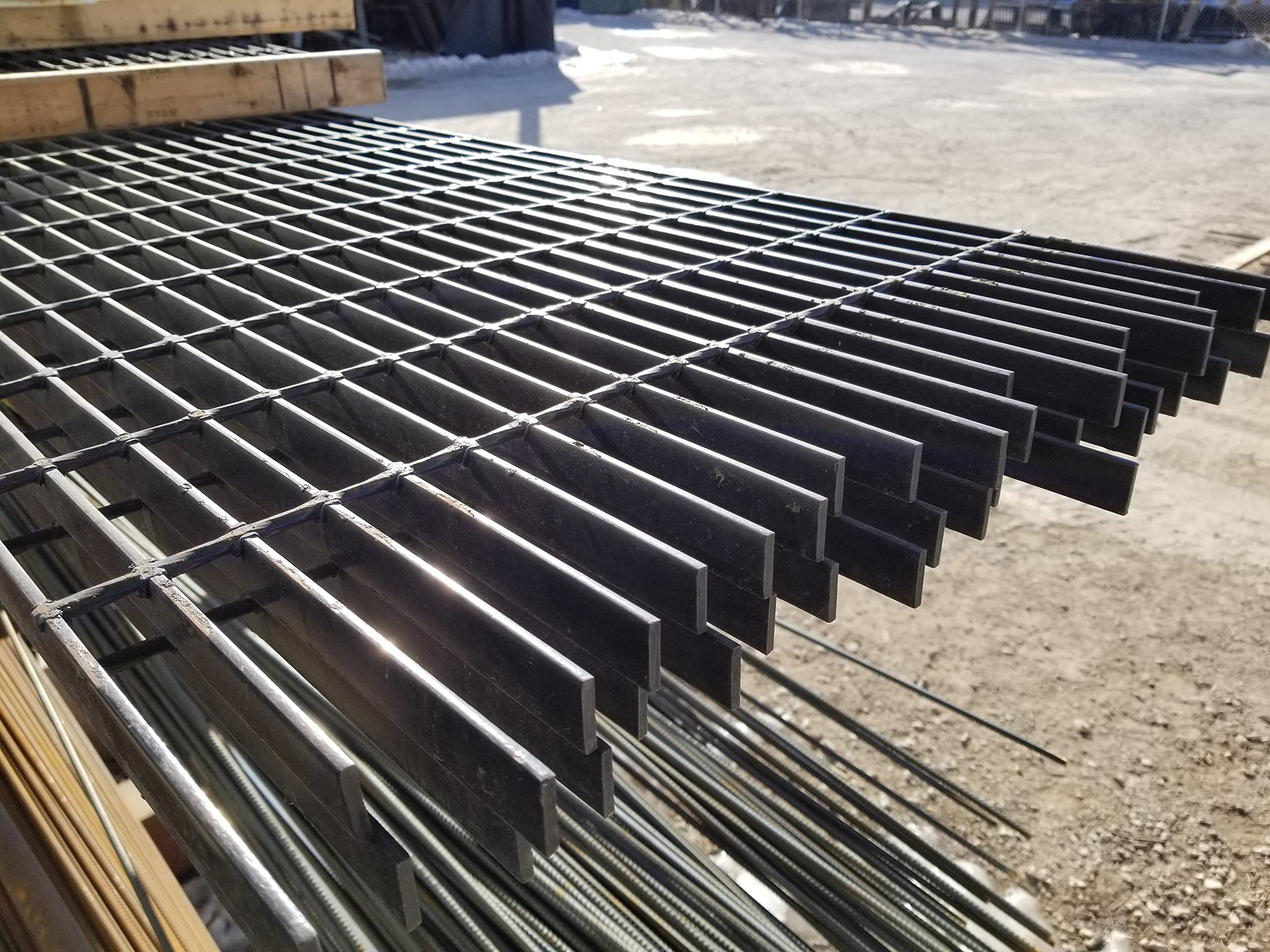
If you are wondering what is bar grating used for, the answer spans many construction sectors. Bar grating — the most common type of steel grating — is used for a wide range of construction applications including:
- Heavy duty steel grating platforms for equipment support in industrial facilities
- Pedestrian walkways and bridge decks in public infrastructure projects
- Safety barriers and machine guards that require visibility and ventilation
- Dock leveler pit grating at loading dock facilities
- Transformer platform grating in electrical substations
What Are Common Applications of Heavy Duty Steel Grating?
Heavy duty steel grating is specified wherever loads exceed standard capacity. Common applications include:
- Crane and hoist platforms — supporting heavy lifting equipment and maintenance crews
- Truck access covers — allowing vehicle traffic over trenches and pits
- Mining and aggregate processing — withstanding impact from falling materials
- Steel mill walkways — surviving extreme heat, molten metal splatter, and heavy loads
- Port and dock grating — supporting container handling equipment on wharves
What Are the Applications of Welded Steel Grating?
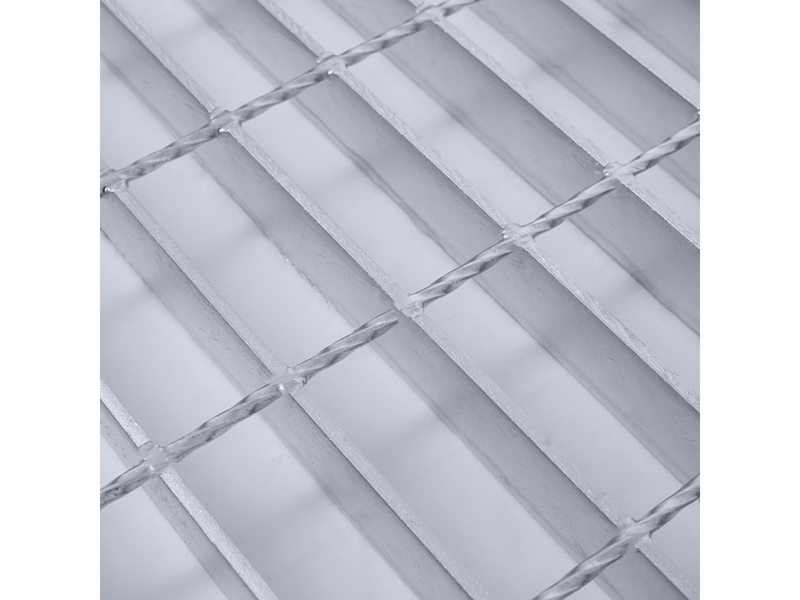
Welded steel grating — manufactured by resistance-welding bearing bars to cross bars — is the most common grating type for construction due to its strength and economy. It is used in:
- Platforms, walkways, and stair treads in factories and warehouses
- Flooring for elevated mezzanines and equipment access platforms
- Trench and drain covers in commercial and industrial settings
- Catwalks in theaters, convention centers, and entertainment venues
- Safety flooring in public utility and infrastructure projects
Across all these applications, understanding what is floor grating used for helps specifiers choose between bar grating, welded grating, and press-locked grating for each unique commercial construction requirement.
How to Choose the Right Steel Grating for Your Application
Selecting the right steel grating for your application requires evaluating several key factors. This section answers common questions about selection decisions, including where is galvanized steel grating commonly used and how installation requirements affect your choice.
Material Selection Guide
| Environment | Recommended Material | Typical Applications |
|---|---|---|
| Indoor, dry | Plain steel (painted) | Warehouse mezzanines, indoor catwalks |
| Outdoor, mild | Hot-dip galvanized steel | Walkways, platforms, trench covers |
| Marine / coastal | 316 stainless steel or HDG | Shipboard, offshore platforms, docks |
| Food processing | 304 stainless steel | Drain covers, platforms, processing areas |
| Chemical processing | 316L stainless steel | Reactor platforms, pipe racks |
| Mining / heavy industry | Galvanized heavy-duty | Processing plants, conveyor access |
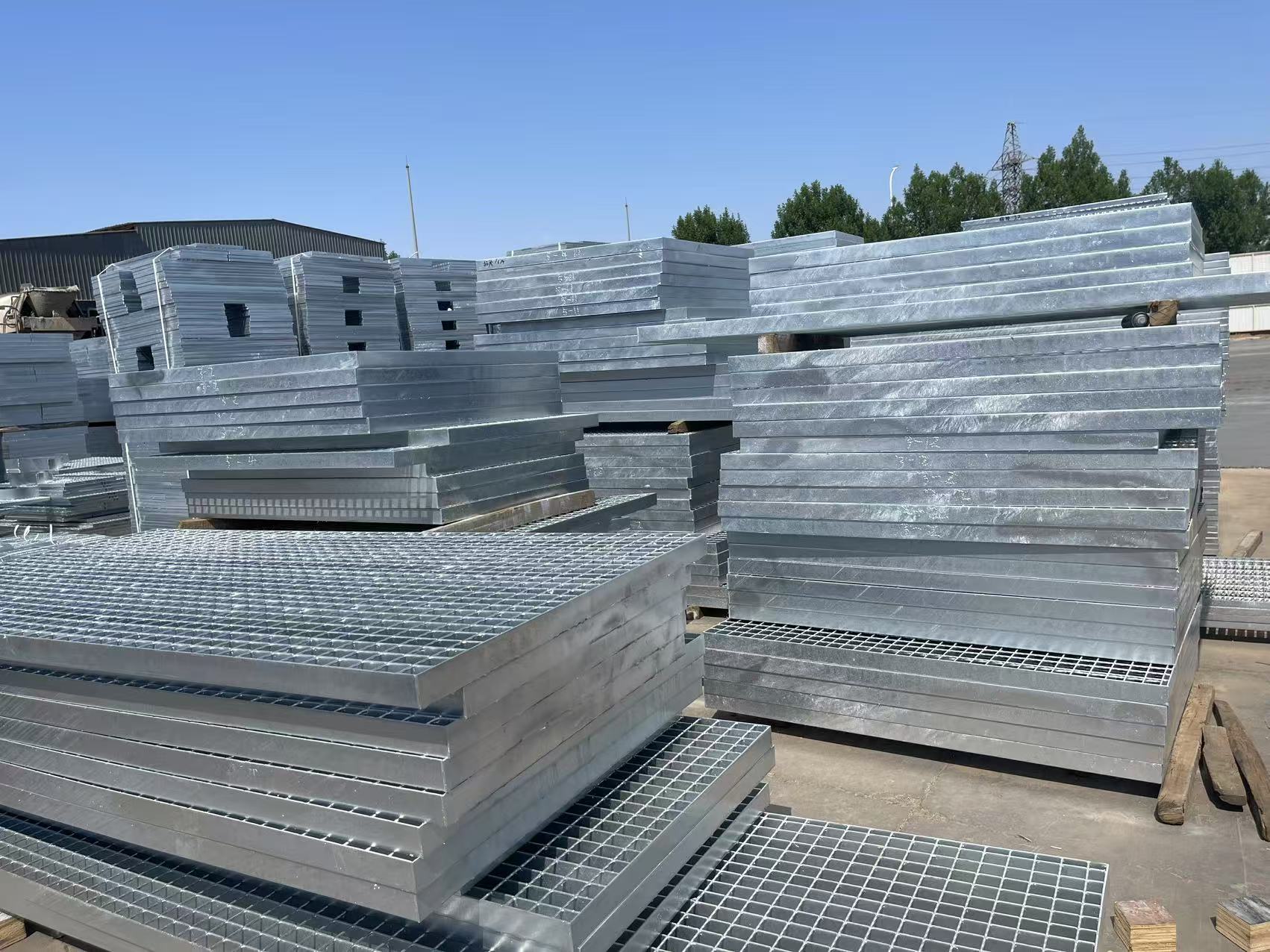
Where is galvanized steel grating commonly used? Hot-dip galvanized (HDG) steel grating is the most widely used type across all industries. It is the standard choice for outdoor walkways, industrial platforms, trench covers, water treatment facilities, and power plants. The zinc coating provides 20-50 years of corrosion protection in most environments, making it the most cost-effective option for general industrial use.
How to Install Steel Grating on a Walkway
Proper installation is critical for safety and longevity. Here are the key steps for installing steel grating for walkways:
- Measure and plan — Determine exact dimensions, support spacing, and load requirements
- Select attachment method — Choose between saddle clips, J-bolts, or welding for fastening
- Prepare support structure — Ensure steel supports are level, clean, and properly aligned
- Position grating panels — Place panels with the bearing bars perpendicular to supports
- Secure each panel — Use minimum 4 attachment points per panel (one at each corner)
- Check for movement — Verify no panel shifts or rattles when walked on
- Add safety features — Install toe plates at open edges and handrails where required
Load Capacity Considerations
When selecting industrial floor grating, always verify the load capacity against your specific requirements. Standard walkway grating typically supports 250-400 psf, while heavy-duty configurations support 600-1000+ psf. The bearing bar size, span, and steel grade all affect the final load rating.
Conclusion
Steel grating is an indispensable material across a remarkable range of industries. From the corrosive salt spray of offshore oil platforms to the strict hygiene requirements of food processing plants, steel grating delivers the strength, safety, and functionality that modern industry demands.
Understanding what is grating used for in construction — and how its applications vary by industry — is essential for making informed procurement decisions. The right choice depends on your specific environment:
- For oil and gas, galvanized or stainless steel grating provides corrosion resistance and spark safety
- For chemical plants, material selection must match the specific chemical exposure
- For water treatment, galvanized grating offers long-term durability in wet conditions
- For power generation, heavy-duty configurations handle extreme loads and thermal stress
- For mining, thick-bar grating withstands impact and abrasion
- For food processing, stainless steel grating meets sanitation and cleanability standards
- For commercial construction, steel grating provides cost-effective, versatile flooring solutions
As industry standards continue to evolve, steel grating remains a trusted solution for facility engineers and project specifiers worldwide. By matching the grating type, material, and surface finish to your specific application requirements, you can achieve decades of reliable service in even the most demanding environments.
Whether you are designing a new facility or upgrading an existing one, consulting with a qualified steel grating supplier early in the planning process ensures you select the optimal product for your application needs.