Introduction
When specifying industrial flooring, walkways, or platforms, engineers and procurement professionals routinely need to evaluate what are the alternatives to metal grating that might better suit their specific application requirements. Steel grating has been the industry standard for decades, offering unmatched load capacity and durability at a competitive price point. However, no single material is optimal for every environment. Depending on factors such as corrosion exposure, weight restrictions, fire safety codes, electrical requirements, and budget constraints, materials like FRP (fiberglass reinforced plastic) grating, aluminum grating, expanded metal, and checker plate (tread plate) may offer superior performance.
This comprehensive guide provides a head-to-head comparison of steel grating against these four major alternative materials. We examine each alternative across critical performance dimensions including structural capacity, corrosion resistance, weight, cost, installation complexity, and application suitability. Detailed comparison tables and a practical decision matrix will help you select the optimal flooring or walkway material for your next project. Whether you are designing a chemical processing plant, a marine platform, a pedestrian bridge, or a heavy-equipment mezzanine, understanding these material trade-offs is essential for making an informed procurement decision.
Steel Grating: A Quick Overview
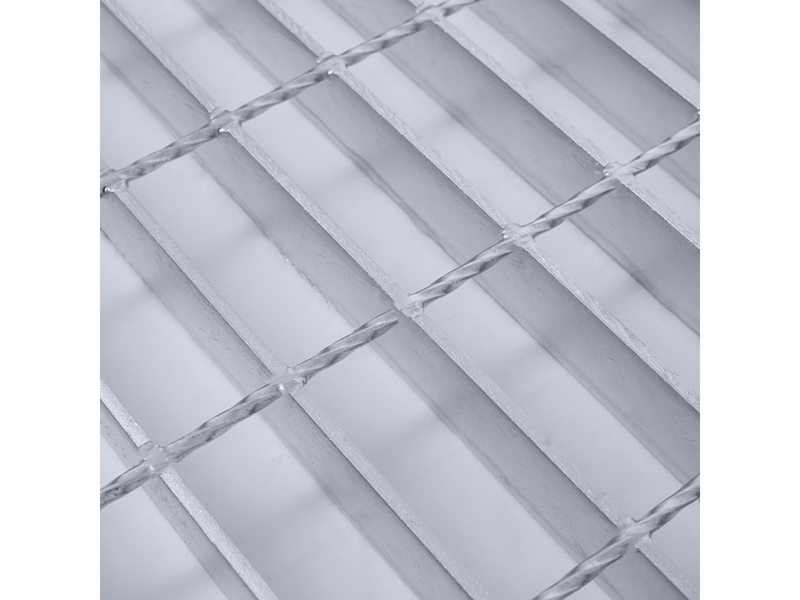
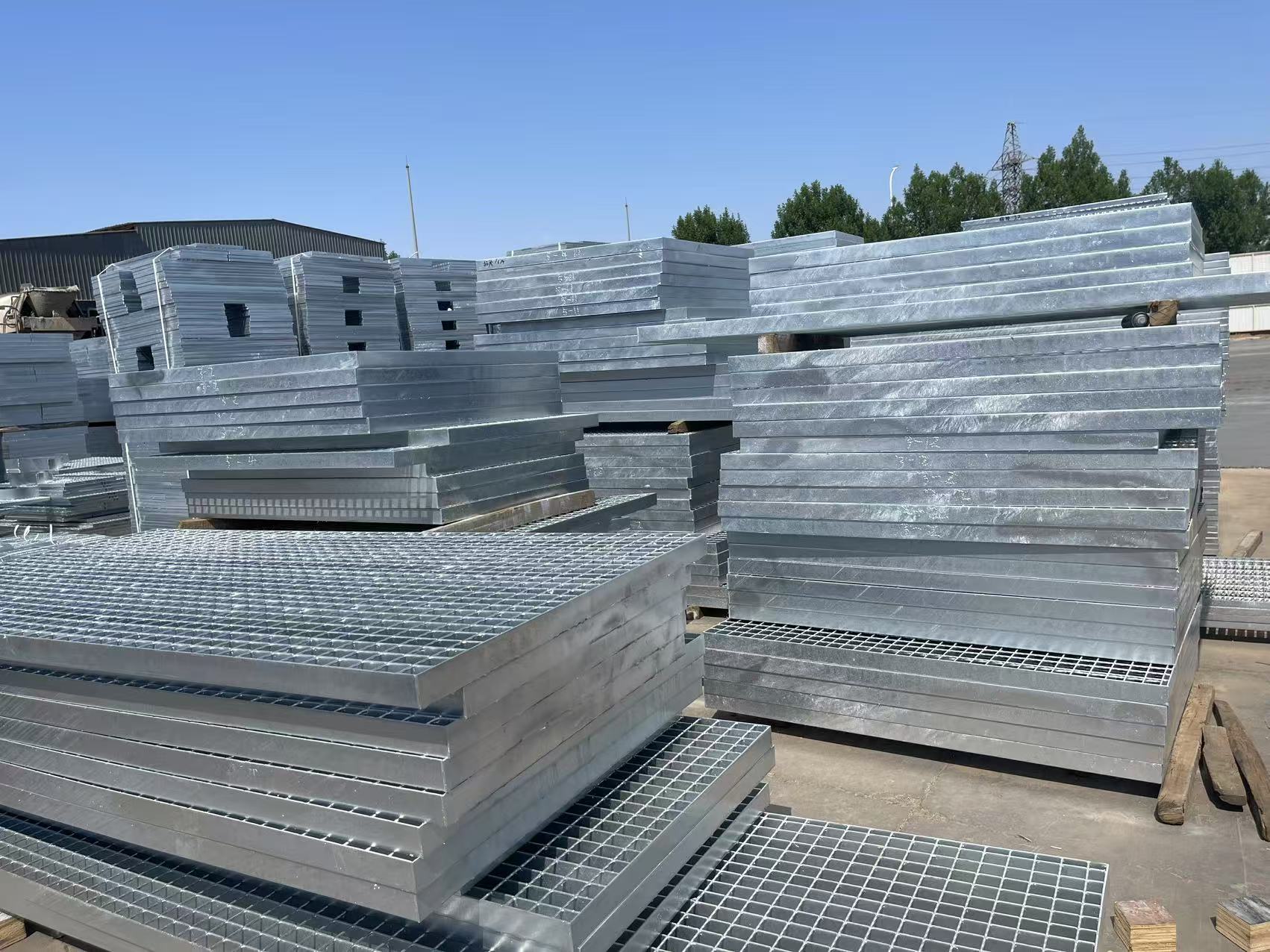
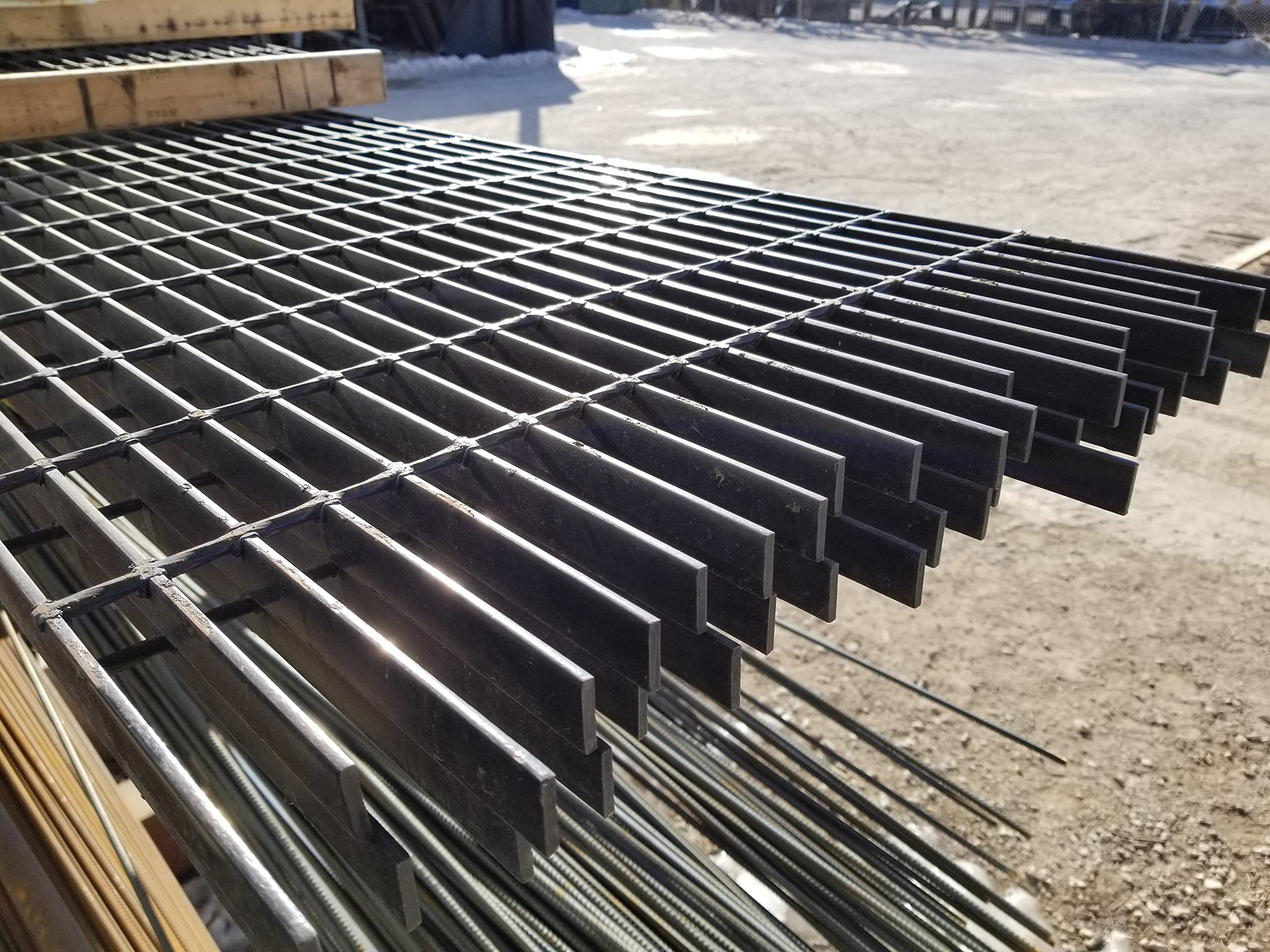
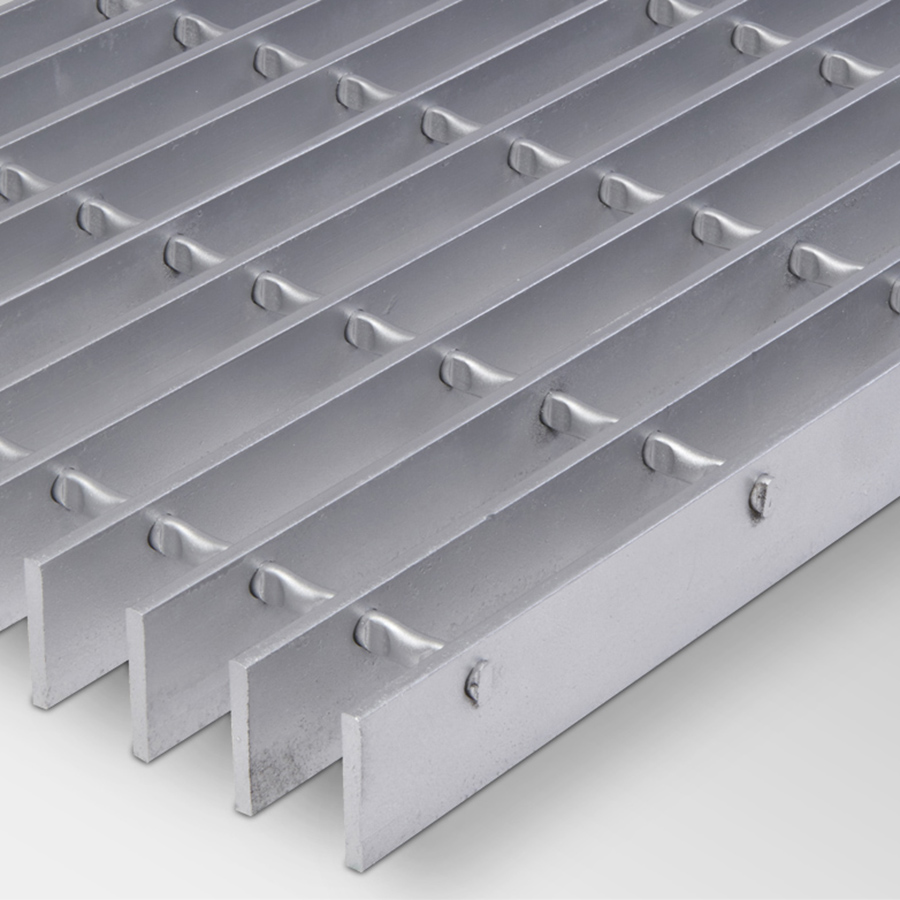
Steel grating is a fabricated grid structure typically manufactured from carbon steel, galvanized steel, or stainless steel. It consists of parallel load-bearing bars (bearing bars) with perpendicular cross bars that are joined through welding, press-locking, or swaging. The open-grid design allows light, air, water, and debris to pass through, making it ideal for platforms, walkways, trench covers, and ventilation flooring.
Key Properties of Steel Grating
- Load capacity: Steel grating offers the highest load-bearing capacity among all grating materials, with standard panels supporting uniform loads of 250 to 1,000+ psf depending on bar size and spacing.
- Durability: Hot-dip galvanized steel grating provides 30-50 years of service life in most outdoor industrial environments. Stainless steel grades (304/316) extend lifespan further in corrosive settings.
- Temperature resistance: Steel grating performs reliably from -50°C to 400°C, making it suitable for high-temperature environments near furnaces, boilers, and hot-process areas.
- Cost: Carbon steel grating is the most economical option among load-bearing grating materials, typically costing $15-35 per square meter for standard specifications.
- Fire resistance: Steel is non-combustible and will not contribute to fire spread, a critical advantage in fire-rated industrial applications.
Steel grating types commonly used in industrial settings include welded steel grating (the most popular for heavy loads), press-locked grating (for lighter, smoother surfaces), and swaged grating (for architectural applications). Each type can be further customized with serrated surfaces for enhanced slip resistance.
Steel Grating vs FRP Grating
FRP (fiberglass reinforced plastic) grating is a composite material made from thermosetting resin reinforced with fiberglass strands. It is one of the most common alternatives to metal grating, particularly in corrosive environments where steel would quickly deteriorate. However, it differs fundamentally from steel grating in structural behavior, cost, and application scope.
Steel Grating vs FRP Grating: Comparison Table
| Property | Steel Grating | FRP Grating |
|---|---|---|
| Tensile Strength | 400-550 MPa (carbon steel) | 100-200 MPa (varies by resin) |
| Weight | ~50-80 kg/m² (standard duty) | ~15-25 kg/m² (70% lighter) |
| Corrosion Resistance | Good (galvanized); Excellent (stainless) | Excellent (inherent to material) |
| Max Service Temperature | 400°C+ | 80-180°C (resin-dependent) |
| Fire Rating | Non-combustible (A1) | Combustible unless fire-retardant grade |
| UV Resistance | Excellent | Moderate (requires UV coating) |
| Electrical Conductivity | Conductive | Non-conductive (electrically insulating) |
| Initial Cost | $15-35/m² | $40-100/m² |
| Lifespan (industrial) | 30-50 years (galvanized) | 15-25 years |
| Impact Resistance | Excellent | Moderate (can crack under point loads) |
When to Choose Steel over FRP
Steel grating is the superior choice when load capacity is the primary concern. Steel can bear several times the load of equivalent-thickness FRP grating without deflection. It also excels in high-temperature environments — near furnaces, boilers, or outdoor installations in hot climates — where FRP resin may soften or degrade. Steel is also preferred where fire safety regulations demand non-combustible materials and where impact or abrasion resistance is critical, such as forklift traffic areas or heavy-equipment platforms.
When FRP Grating Makes Sense
FRP grating becomes the preferred alternative to metal grating in chemical processing plants, water treatment facilities, marine environments, and food processing areas where corrosion is severe and continuous. Its electrical non-conductivity makes it mandatory near live electrical equipment and substations. The lightweight nature of FRP simplifies installation — workers can carry panels by hand without lifting equipment — which reduces installation labor costs significantly. FRP is also magnetically invisible, an advantage in MRI facilities and sensitive electronics manufacturing.
Steel Grating vs Aluminum Grating
Aluminum grating is manufactured from wrought aluminum alloys (typically 6061-T6) and offers a middle ground between steel and FRP in terms of weight, corrosion resistance, and cost. While it shares steel's metallic nature, it behaves differently in structural applications due to aluminum's lower modulus of elasticity and different fatigue characteristics.
Steel Grating vs Aluminum Grating: Comparison Table
| Property | Steel Grating | Aluminum Grating |
|---|---|---|
| Tensile Strength | 400-550 MPa | 260-310 MPa (6061-T6) |
| Density | 7,850 kg/m³ | 2,700 kg/m³ (65% lighter) |
| Yield Strength | 250-450 MPa | 240-275 MPa (6061-T6) |
| Modulus of Elasticity | 200 GPa | 69 GPa (65% less stiff) |
| Corrosion Resistance | Moderate (requires coating) | Excellent (natural oxide layer) |
| Weight (standard panel) | ~65 kg/m² | ~22 kg/m² |
| Max Temperature | 400°C+ | ~200°C |
| Weldability | Excellent | Moderate (requires special technique) |
| Maintenance | Low (galvanized) / Periodic (painted) | Very low |
| Cost per m² | $15-35 | $35-70 |
| Recyclability | 100% recyclable | 100% recyclable (higher scrap value) |
Key Differences in Structural Performance
Even though aluminum grating has a respectable yield strength, its modulus of elasticity is only one-third of steel's. This means aluminum grating deflects three times more than steel grating under the same load and span conditions. To compensate, aluminum grating panels typically require deeper bearing bars or narrower spans, which can offset some of the weight advantage. For applications requiring rigid, vibration-free flooring — such as precision equipment platforms or pedestrian bridges with strict deflection limits — steel grating remains the preferred material.
Where Aluminum Grating Excels
Aluminum grating is the material of choice for marine applications (offshore platforms, ship decks, docks) because of its natural corrosion resistance in saltwater environments without requiring galvanization or painting. It is also preferred for lightweight structures such as mezzanine floors in buildings where reducing dead load on the structure is critical. Aluminum's non-sparking property makes it suitable for use in potentially explosive atmospheres like oil refineries and grain handling facilities. The higher scrap value of aluminum at end-of-life also contributes to better lifecycle economics.
Steel Grating vs Expanded Metal
Expanded metal is a sheet material that is slit and stretched to create a diamond-shaped open mesh pattern. Unlike steel grating, which is fabricated from individual bars joined together, expanded metal starts as a solid metal sheet and is expanded in a single press operation. This manufacturing difference creates distinct performance characteristics that make it an interesting alternative to metal grating for specific applications.
Steel Grating vs Expanded Metal: Comparison Table
| Property | Steel Grating | Expanded Metal |
|---|---|---|
| Structural Integrity | High (engineered load-bearing) | Moderate (sheet-based) |
| Load Capacity | 250-1,000+ psf | 50-300 psf (grade-dependent) |
| Open Area | 40-70% | 40-80% |
| Weight | ~50-80 kg/m² | ~8-25 kg/m² (much lighter) |
| Slip Resistance | Serrated options available; smooth is moderate | Good (raised diamond pattern) |
| Material Utilization | Cut from solid bar stock | No material waste (stretched) |
| Panel Size Limitations | Up to 6m × 1.5m standard | Limited by sheet size (~3m × 2m) |
| Cost per m² | $15-35 | $10-25 |
| Secondary Operations | Cutting, welding, banding | Shearing only (cannot weld) |
| Typical Applications | Industrial platforms, walkways, trench covers | Security fencing, enclosures, light-duty walkways, ventilation grilles |
Advantages of Expanded Metal
Expanded metal offers several unique benefits. Because the strands are formed from a single piece of metal without joints or welds, there is no risk of weld failure. The diamond pattern provides inherent slip resistance in all directions. The expansion process creates a material with high strength-to-weight ratio — the diamond pattern acts as a truss structure. Expanded metal is also extremely cost-effective for applications where full load-bearing capacity is unnecessary, such as mezzanine flooring, sunscreens, security barriers, and ventilation panels.
Limitations Compared to Steel Grating
The primary limitation of expanded metal is its lower load-bearing capacity. It cannot support heavy industrial traffic, forklifts, or concentrated point loads that steel grating handles easily. Expanded metal also has limited span capability — it requires closer support spacing than steel grating. Additionally, its sheet-based manufacturing limits maximum panel dimensions, which can mean more supports and more installation time for large areas. For heavy-duty industrial applications, steel grating remains the standard.
Steel Grating vs Checker Plate (Tread Plate)
Checker plate (also known as tread plate, diamond plate, or floor plate) is a metal sheet with a raised diamond or lug pattern rolled into the surface. Unlike steel grating which has an open grid design, checker plate is a solid sheet with anti-slip surface texture. This fundamental difference — open vs solid — drives most of the comparison between these two materials.
Steel Grating vs Checker Plate: Comparison Table
| Property | Steel Grating | Checker Plate |
|---|---|---|
| Design | Open grid (pass-through) | Solid sheet with raised pattern |
| Load Capacity | 250-1,000+ psf (distributed) | Moderate (depends on thickness) |
| Weight (6mm base) | ~65 kg/m² | ~48 kg/m² |
| Slip Resistance | Good (serrated) / Moderate (smooth) | Good (raised diamond pattern) |
| Debris/Drainage | Excellent (open area 40-70%) | None (solid surface) |
| Light Transmission | High (passes light through) | None (opaque) |
| Cut-to-Size | Requires specialized cutting | Easy (standard sheet metal tools) |
| Cost per m² | $15-35 | $20-50 |
| Common Thickness | 25-50mm bar depth | 3-12mm plate thickness |
| Span Capability | Up to 1,200mm (standard) | Limited (needs close support) |
When Steel Grating is the Better Choice
Steel grating outperforms checker plate in applications requiring drainage, ventilation, or light passage. For outdoor platforms, trench covers, and process areas where water, debris, or spills must fall through the flooring, the open-grid design of steel grating is essential. Steel grating also handles significantly higher load capacities with longer spans, reducing the number of support beams required. In fire-rated applications, the open design of grating allows sprinkler water to reach lower levels, whereas checker plate can trap heat and obstruct fire suppression.
When Checker Plate Makes Sense
Checker plate is often chosen for applications requiring a solid, continuous walking surface. It prevents small tools, parts, or debris from falling through — a critical safety consideration in elevated work platforms above equipment or personnel. Checker plate also provides better comfort for continuous foot traffic (no grid pattern underfoot) and is easier to clean and sterilize, making it suitable for food processing facilities and cleanrooms. When the risk of falling objects or spill containment is the primary concern, checker plate is a practical alternative to metal grating.
What Are the Alternatives to Metal Grating? How to Choose the Right Material
Selecting the right material for your project requires balancing multiple factors. Use the following decision framework to evaluate alternatives to metal grating based on your specific requirements.
Decision Matrix: Which Material for Which Application?
| Application Requirement | Recommended Material | Why |
|---|---|---|
| Heavy industrial traffic (forklifts, machinery) | Steel Grating | Highest load capacity, impact resistance, long spans |
| Chemical processing / severe corrosion | FRP Grating | Superior chemical resistance, non-corrosive, non-conductive |
| Marine / offshore / saltwater exposure | Aluminum Grating | Natural corrosion resistance without coating, lightweight |
| Light-duty walkways / security barriers | Expanded Metal | Cost-effective, lightweight, good slip resistance |
| Solid platform / spill containment required | Checker Plate | Continuous surface, prevents fall-through |
| Explosive atmosphere (oil & gas, grain) | Aluminum or FRP | Non-sparking (aluminum) or non-conductive (FRP) |
| Electrical substation / high-voltage area | FRP Grating | Electrically non-conductive, non-magnetic |
| High-temperature environment (>200°C) | Steel Grating | Withstands extreme heat, non-combustible |
| Weight-sensitive structure (rooftop, mezzanine) | Aluminum or FRP | Up to 70% lighter than steel |
| Pedestrian bridges / platforms | Steel Grating | Rigid, low deflection, proven long-term performance |
| Ventilation flooring / drainage covers | Steel Grating | Open-grid design allows air/water passage |
| Budget-constrained projects | Steel or Expanded Metal | Lowest material cost per square meter |
Total Cost of Ownership Considerations
When evaluating alternatives to metal grating, initial material cost should not be the sole deciding factor. Consider the full lifecycle cost including installation, maintenance, replacement frequency, and downtime. Steel grating has the lowest initial cost but may require periodic painting or galvanizing in corrosive environments. FRP grating costs 2-3x more upfront but requires minimal maintenance in aggressive chemical environments. Aluminum grating offers a balance — moderate initial cost with very low maintenance and high scrap value at end-of-life. Expanded metal and checker plate fall between steel and aluminum in lifecycle cost for their respective use cases.
Safety and Compliance Factors
Local building codes, OSHA standards (in the US), or equivalent safety regulations may mandate specific materials for certain applications. Fire escape routes, for example, typically require non-combustible materials like steel. Work platforms above 2 meters often require specific slip-resistance ratings. Anti-static requirements in explosive environments may dictate conductive or non-sparking materials. Always verify material specifications against your local regulatory requirements before making a final selection.
Conclusion
Understanding what are the alternatives to metal grating is essential for making intelligent material selections in industrial and commercial projects. Each alternative — FRP grating, aluminum grating, expanded metal, and checker plate — serves specific application niches where steel grating may not be the optimal choice.
To summarize the key takeaways:
- Steel grating remains the gold standard for heavy-load industrial applications, high-temperature environments, and projects where initial cost is paramount. Its unmatched strength-to-cost ratio and long service life make it the default choice for most applications.
- FRP grating is the go-to alternative to metal grating when corrosion resistance, electrical non-conductivity, or lightweight installation are critical. However, it comes at a higher initial cost and lower structural capacity.
- Aluminum grating offers the best balance of corrosion resistance, light weight, and structural performance for marine and weight-sensitive applications. It costs more than steel but less than FRP.
- Expanded metal provides a cost-effective solution for light-duty applications where full grating strength is unnecessary but open area and slip resistance are still required.
- Checker plate is the right choice when a solid, continuous walking surface is needed for spill containment, falling object prevention, or cleanroom environments.
By carefully evaluating your project's specific load requirements, environmental conditions, safety regulations, and budget constraints, you can confidently select the most suitable material from these alternatives. When in doubt, consult with a qualified structural engineer or grating supplier who can help match material properties to your application demands. Steel grating continues to evolve with new coatings and fabrication techniques, but the availability of these specialized alternatives means that every project can find its optimal flooring solution.
Need expert guidance on selecting the right grating material for your application? Contact our team for detailed technical specifications, load calculations, and competitive pricing across all material options.